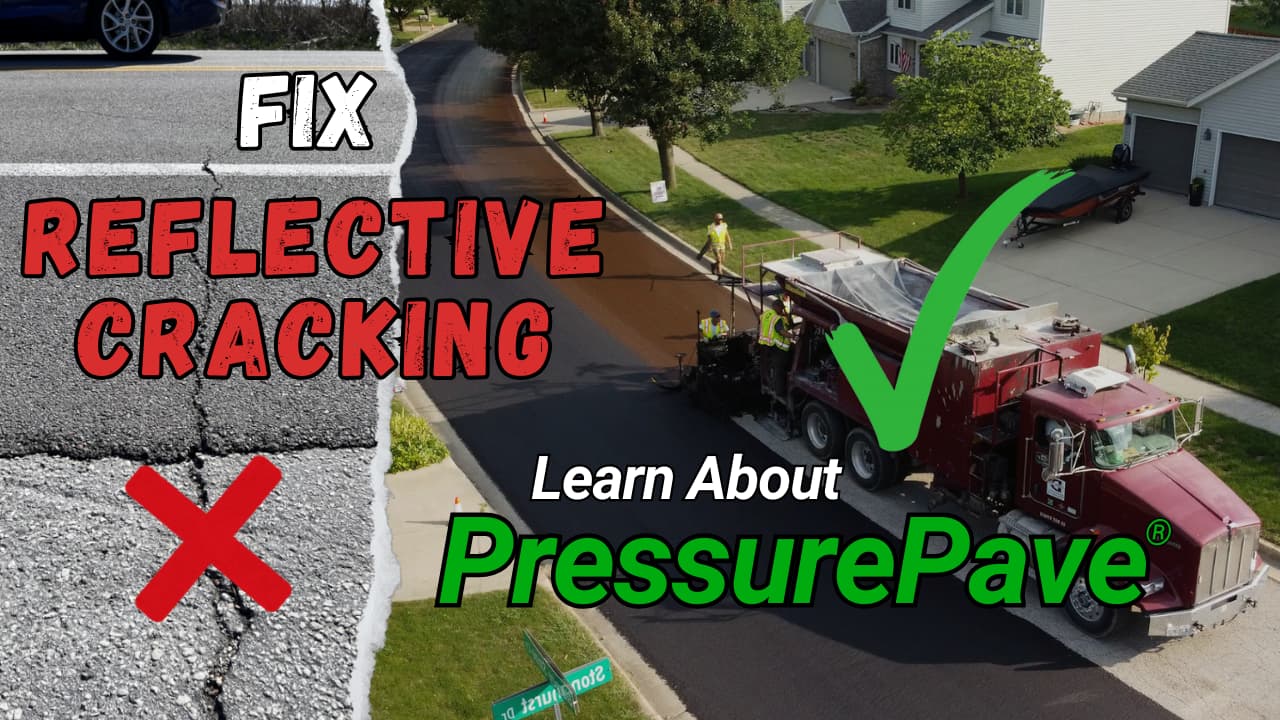
Field Comparison
See how reflective cracking appears across different pavement treatments in real-world conditions.

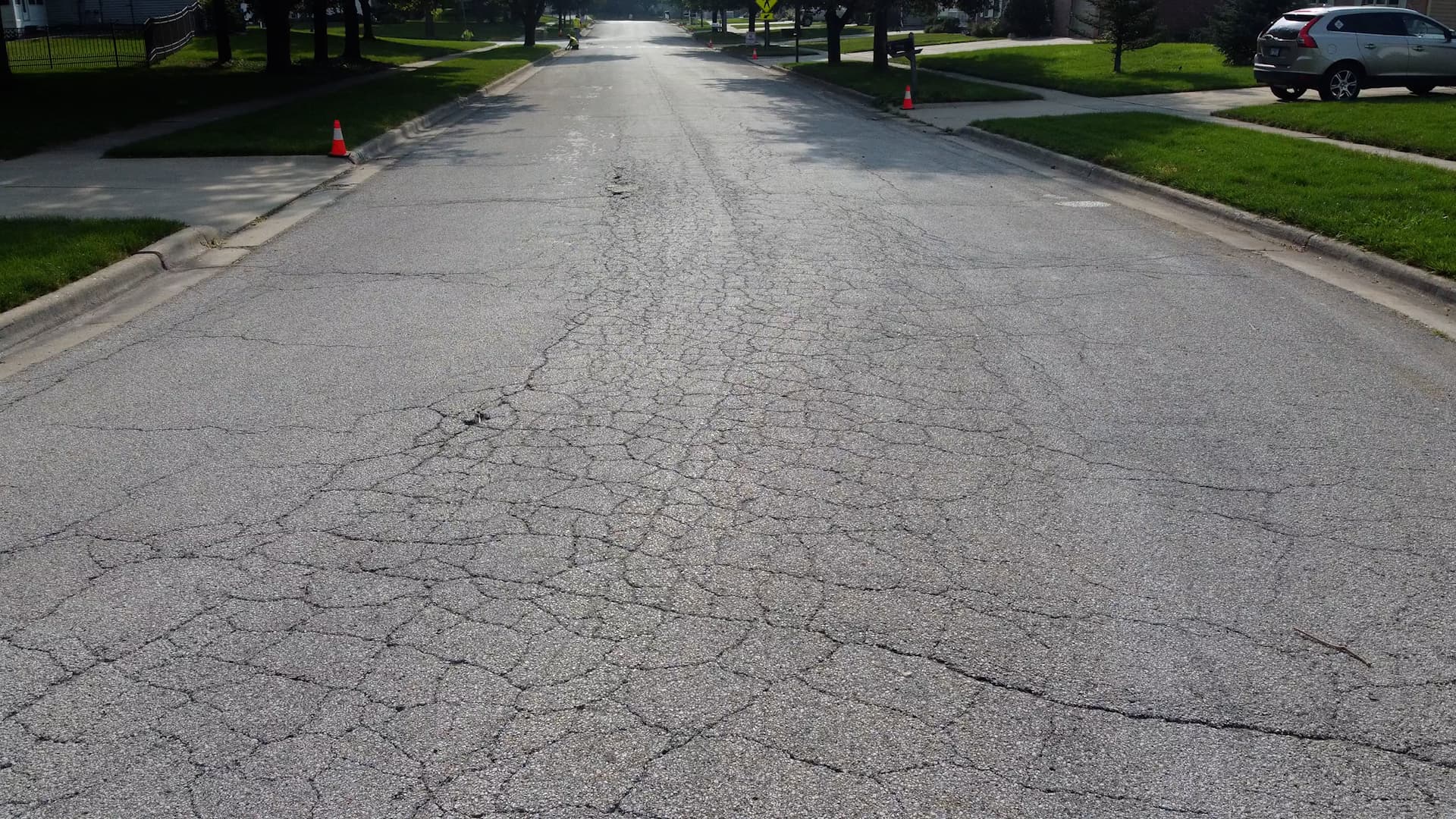
Understanding Reflective Cracking
Existing cracks and pavement movement do not disappear when a new surface is placed over them. Understanding what happens beneath the surface is the first step toward managing reflective cracking.
See How Reflective Cracking HappensStart Below the Surface
Reflective cracking occurs when movement or distress in an existing pavement transfers upward through a new surface placed above it.
Roads are constantly subjected to traffic loading, temperature changes, expansion, contraction, and movement within the existing pavement structure.
When a new asphalt layer is placed over an existing crack, the crack below can continue to move. Over time, that movement can propagate upward until cracking becomes visible in the new driving surface.
To truly eliminate cracking caused by an underlying pavement failure, the source of that movement must be addressed. In some cases, that can require removing and reconstructing the distressed pavement down to the underlying cause.
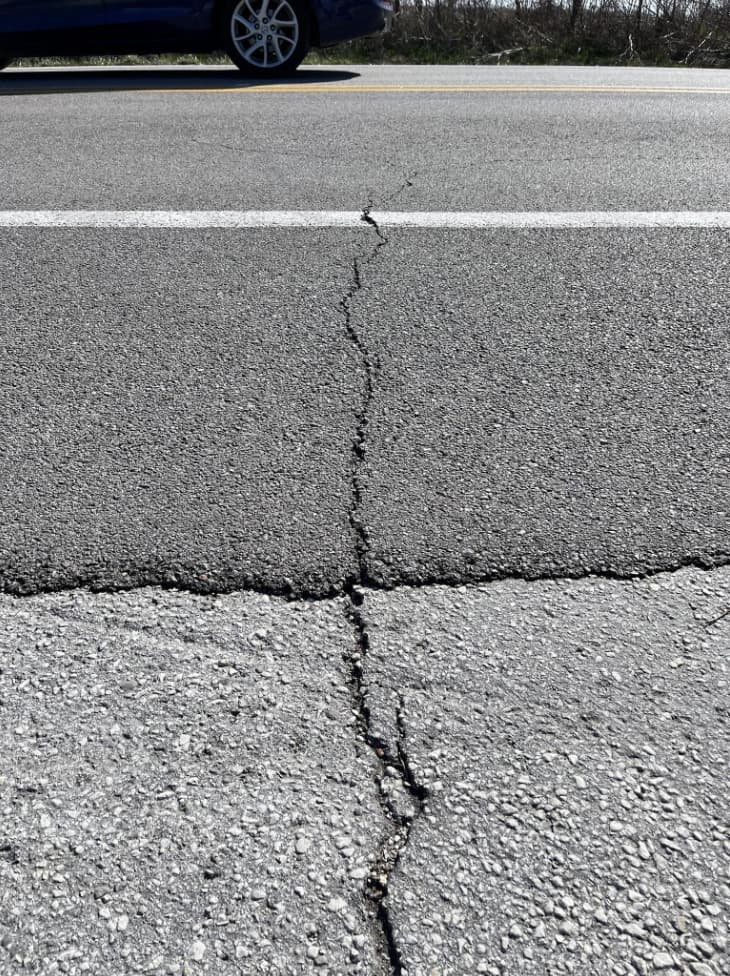
A commonly used rule of thumb is that reflective cracking can propagate through an asphalt overlay at approximately one inch per year. Using that approximation, an existing crack beneath a two-inch overlay could potentially reach the new surface in approximately two years.
Actual crack propagation varies with pavement structure, climate, traffic loading, materials, existing distress, and other site conditions.
The Underlying Challenge
Resurfacing can restore ride quality and provide a new driving surface, but the pavement beneath that surface continues to experience movement.
If the underlying crack, joint, or distressed area remains, movement can continue concentrating stress at that same location. Eventually, that stress may become visible in the new surface as reflective cracking.
Typical microsurfacing and hot-rubber crackfill approach.
Conceptual animation illustrating the stress-absorbing layer between the existing pavement and MAQS® driving surface.
The PressurePave® Approach
PressurePave® approaches reflective cracking differently. Rather than relying only on the thickness of a new surface, the system introduces a stress-absorbing mastic layer between the existing pavement and the finished MAQS® driving surface.
The patented material is pressure-injected into cracks and distressed areas while forming a continuous stress-absorbing layer beneath the new driving surface.
This layer is designed to accommodate and distribute pavement movement, reducing the concentration of stress directly above the original crack.
See how PressurePave® worksProtection Beneath the Crack
When a crack reaches the roadway surface, the opening can create a pathway for water. Protecting the pavement beneath that crack becomes just as important as managing the movement itself.
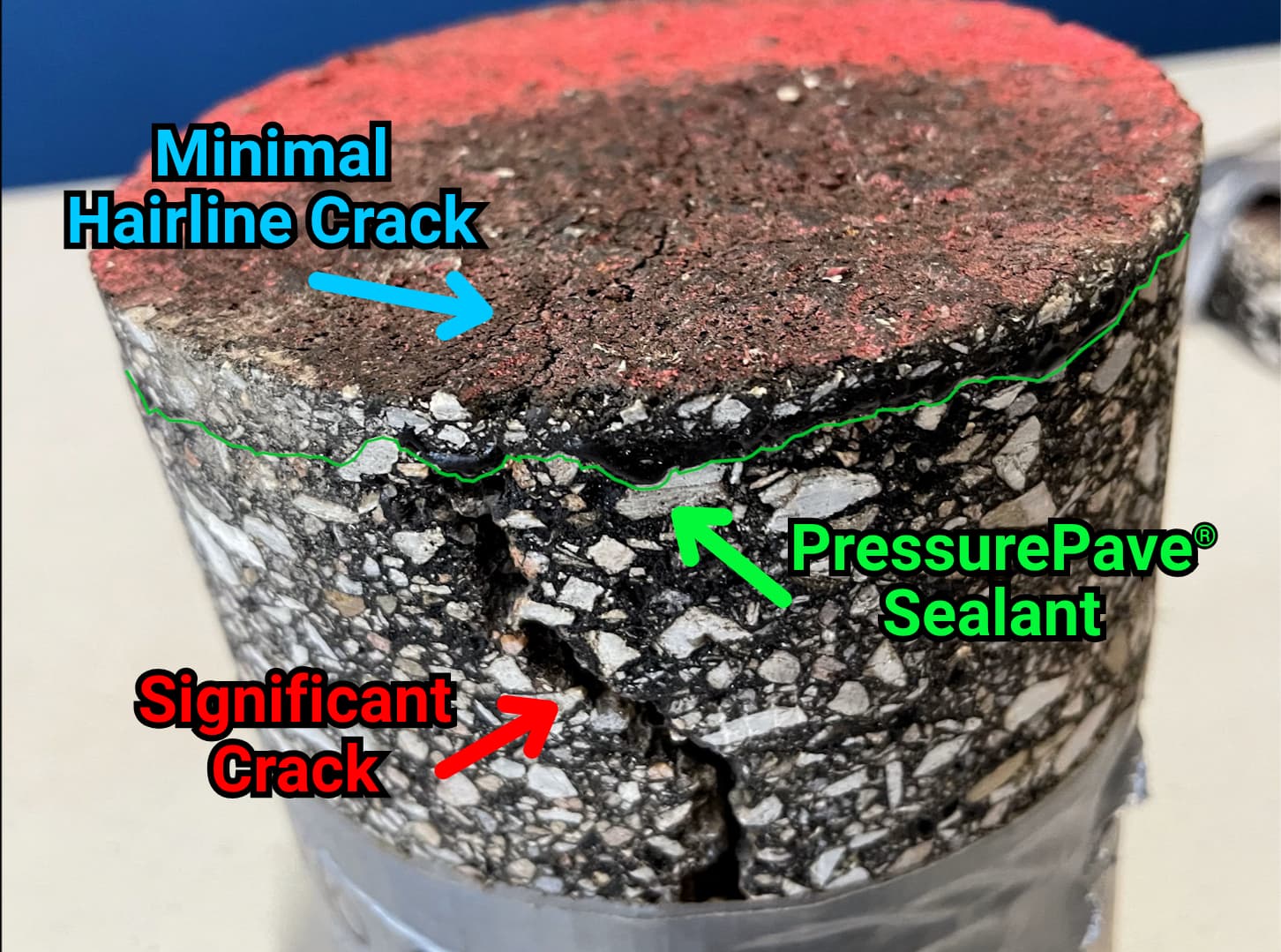
Look Beneath the Surface
Even when pavement movement eventually becomes visible at the surface, the PressurePave® material remains beneath the MAQS® driving surface.
The material is designed to help seal the distressed pavement below, limiting the opportunity for surface water to penetrate directly into the original crack and contribute to additional deterioration.
The finished wearing surface.
A flexible sealing layer designed to manage movement and protect the pavement beneath.
The original pavement structure being rehabilitated.
When Movement Returns
Existing pavement does not stop moving simply because it has been rehabilitated. The question is how that movement returns through the finished driving surface and what remains beneath it.
North Central United States
This location in North Central United States provides a direct look at existing pavement distress before treatment and the finished PressurePave® and MAQS® surface afterward.
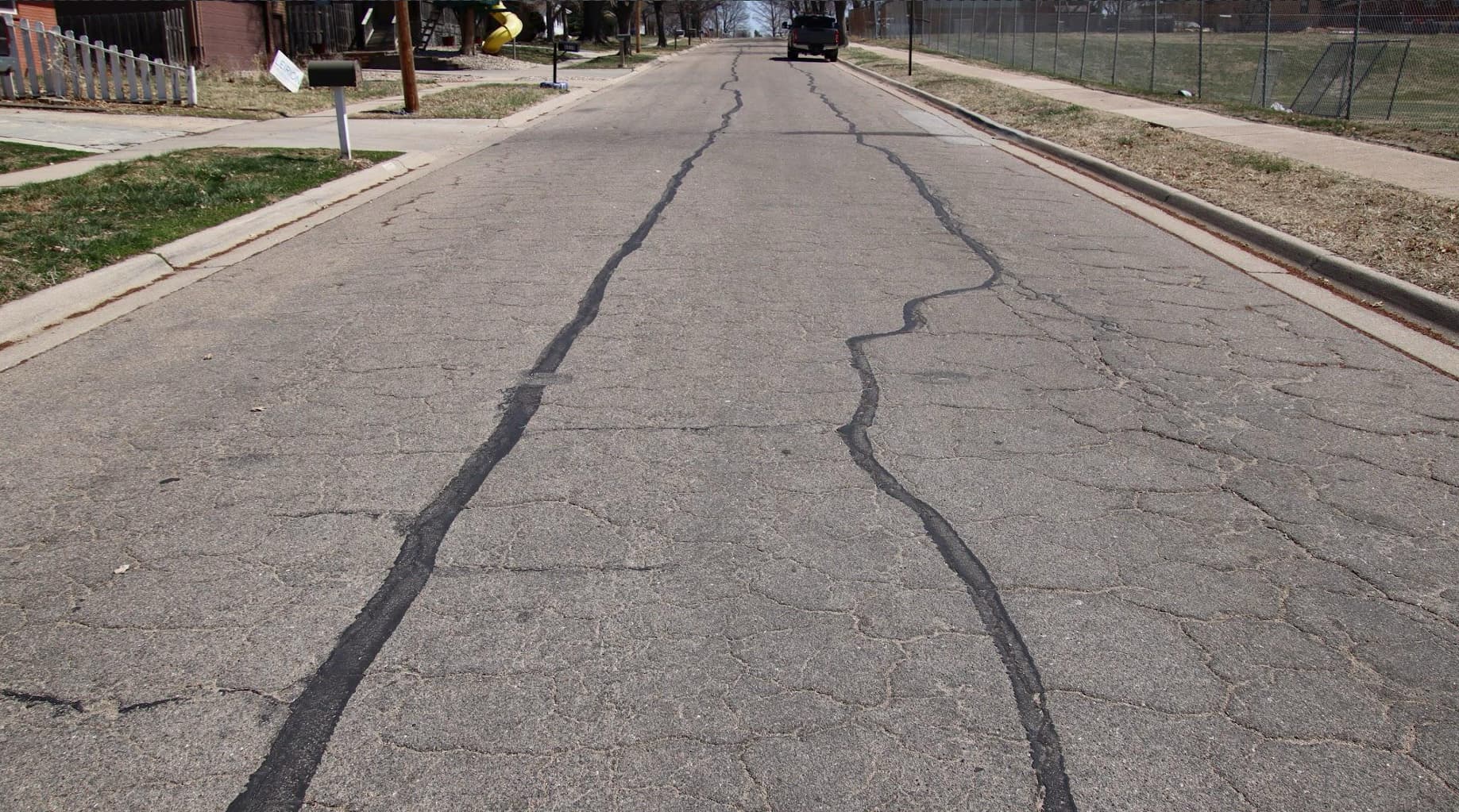 Before
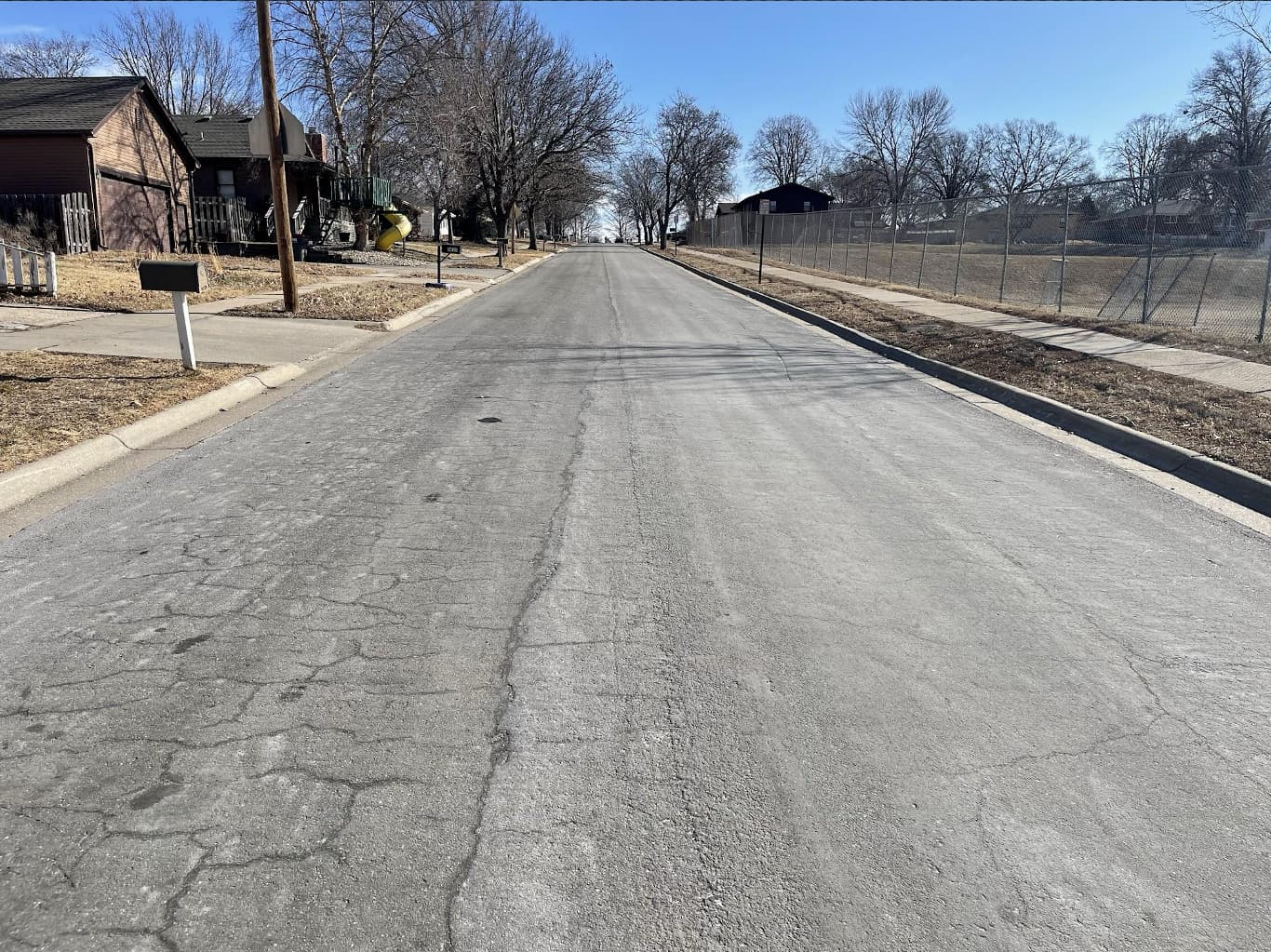 After
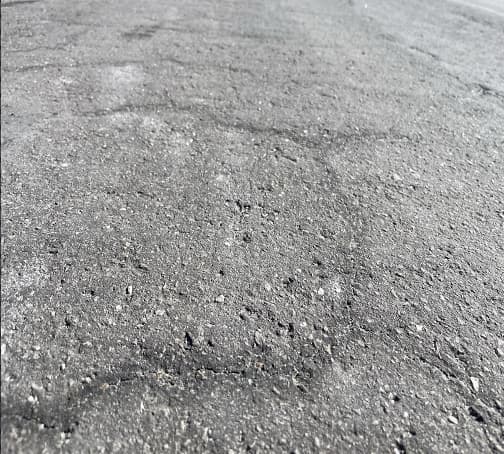
Look Closer
PressurePave® is not intended to suggest that existing pavement movement disappears. The original pavement beneath the treatment can continue to expand, contract, and move.
At this location, that movement became visible through the MAQS® surface as comparatively narrow reflective cracking rather than reopening to the width of the original pavement distress.
A visible reflective crack does not tell the entire story. The PressurePave® stress-absorbing material remains beneath the MAQS® driving surface, where it is designed to help manage pavement movement and protect the distressed pavement below.
Field Evidence
An Illinois Department of Transportation-approved comparison provided an opportunity to observe two rehabilitation approaches directly beside one another under similar roadway conditions.
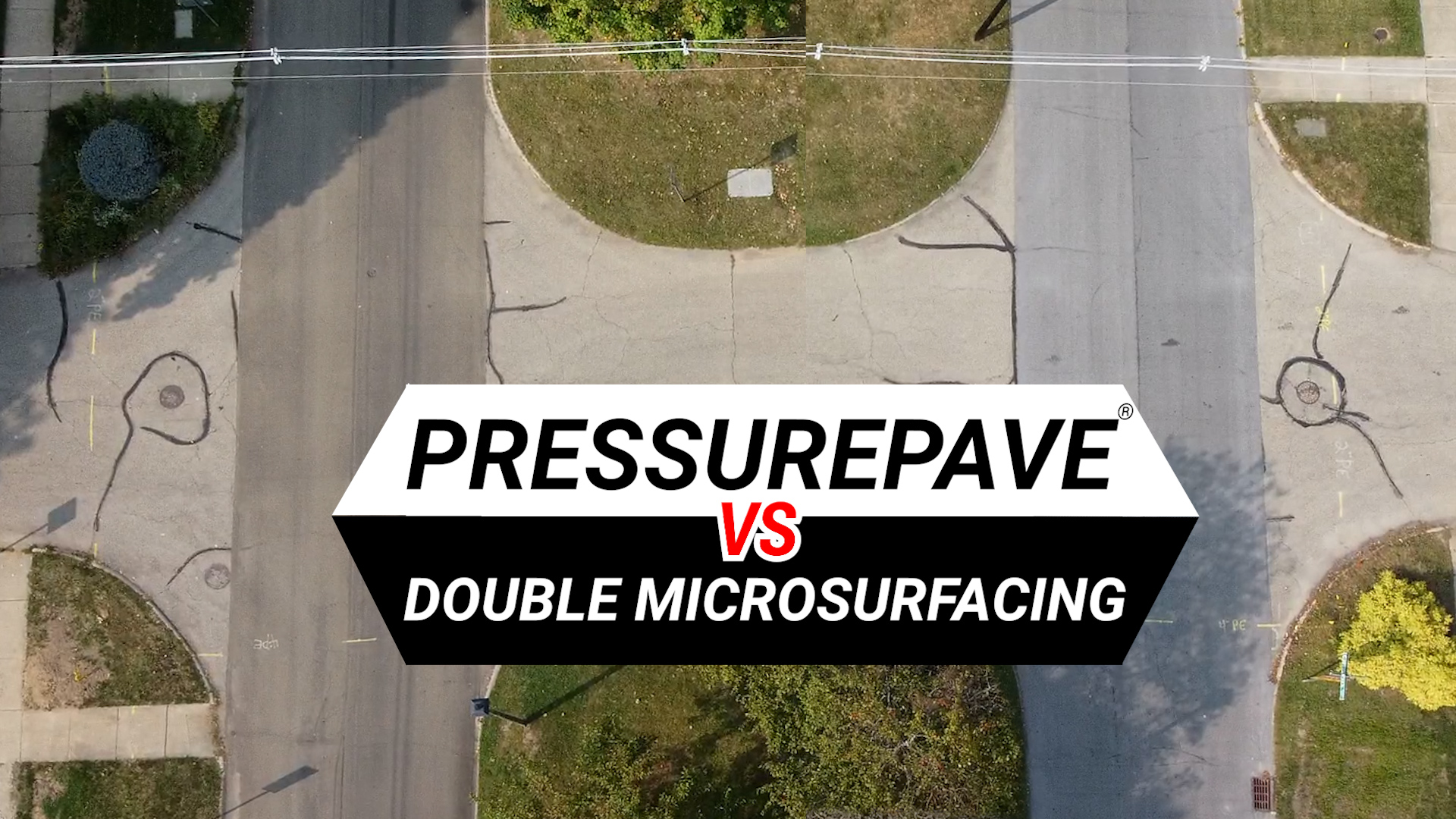
Look Closer
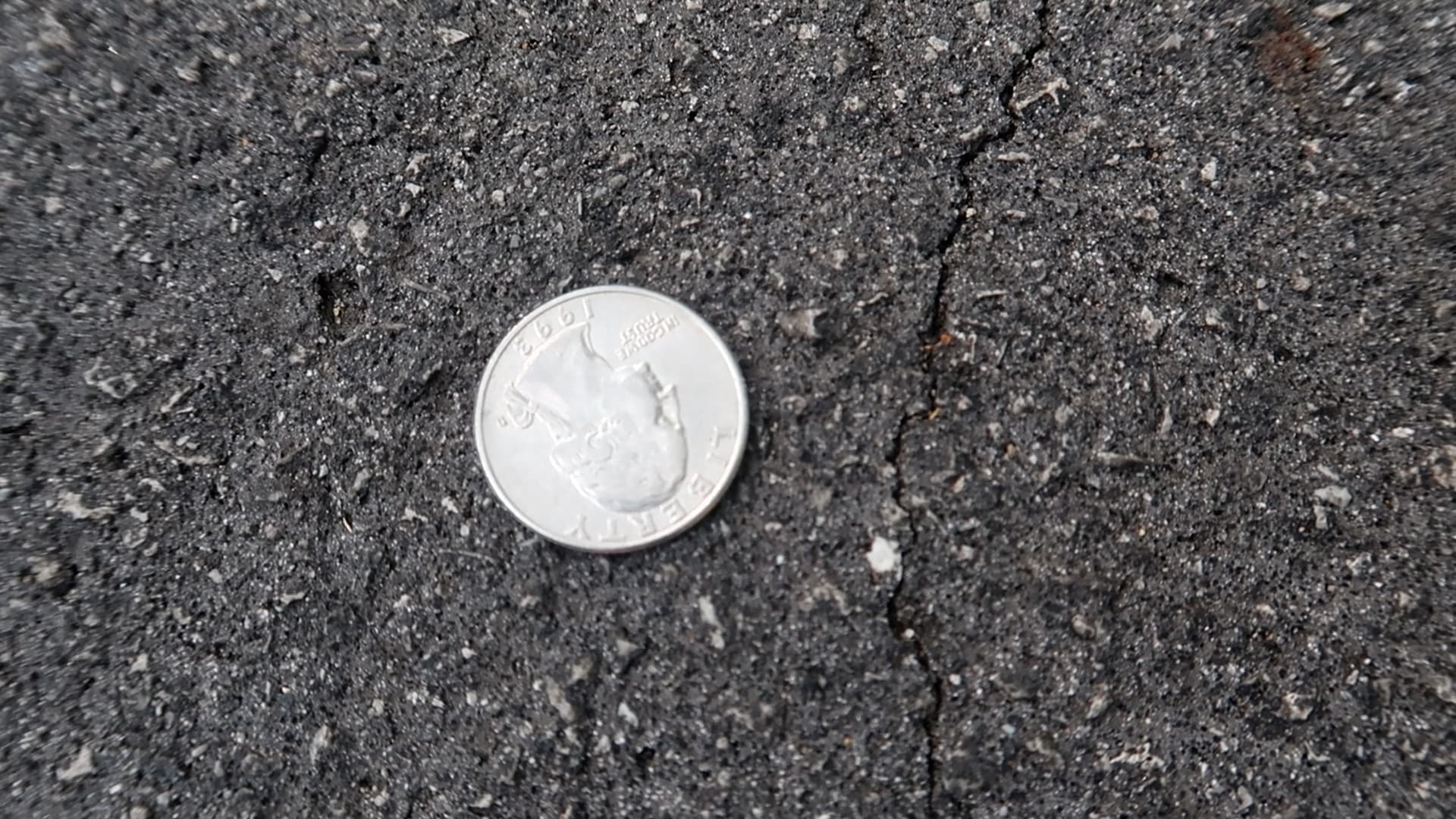
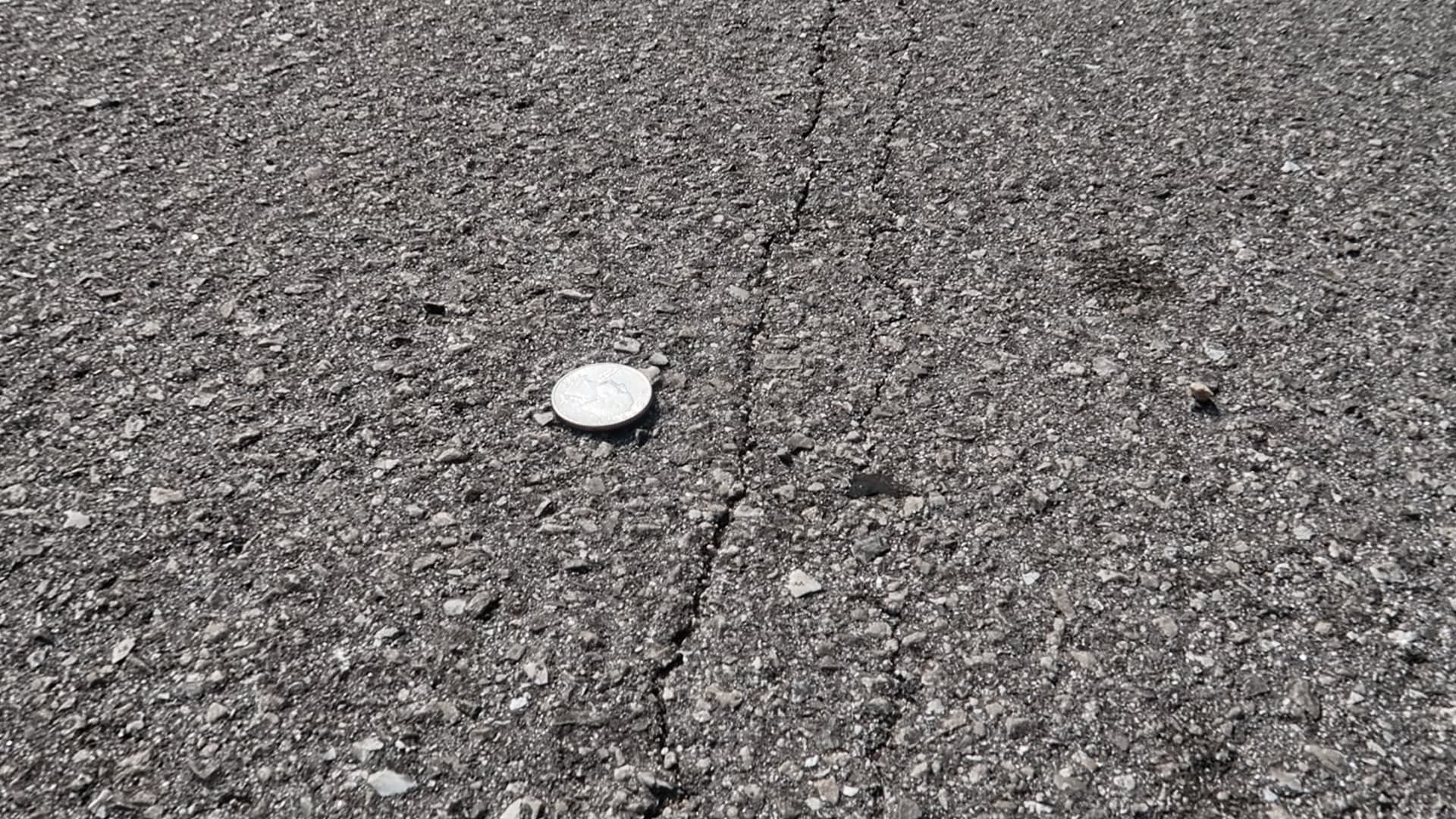
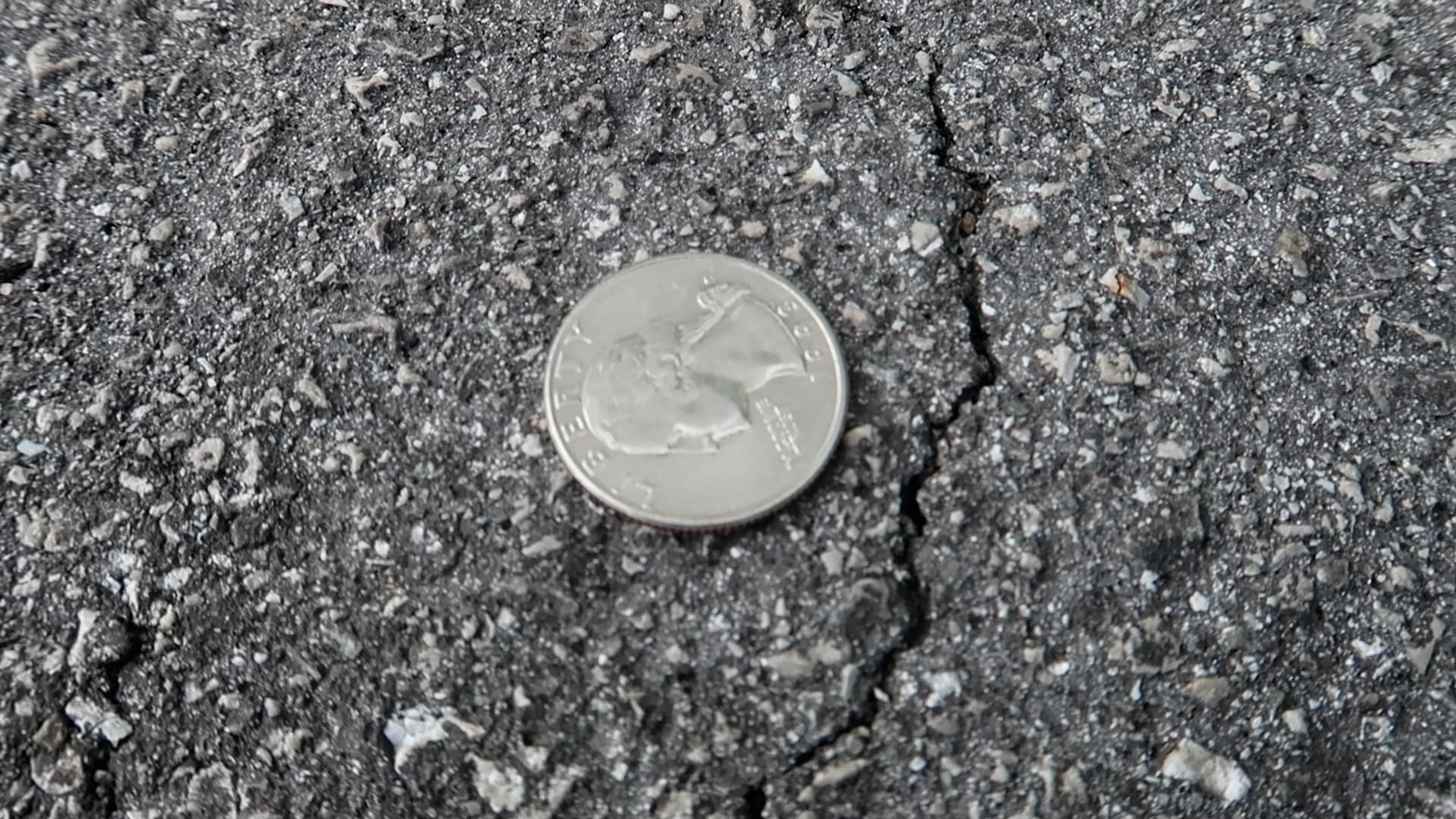
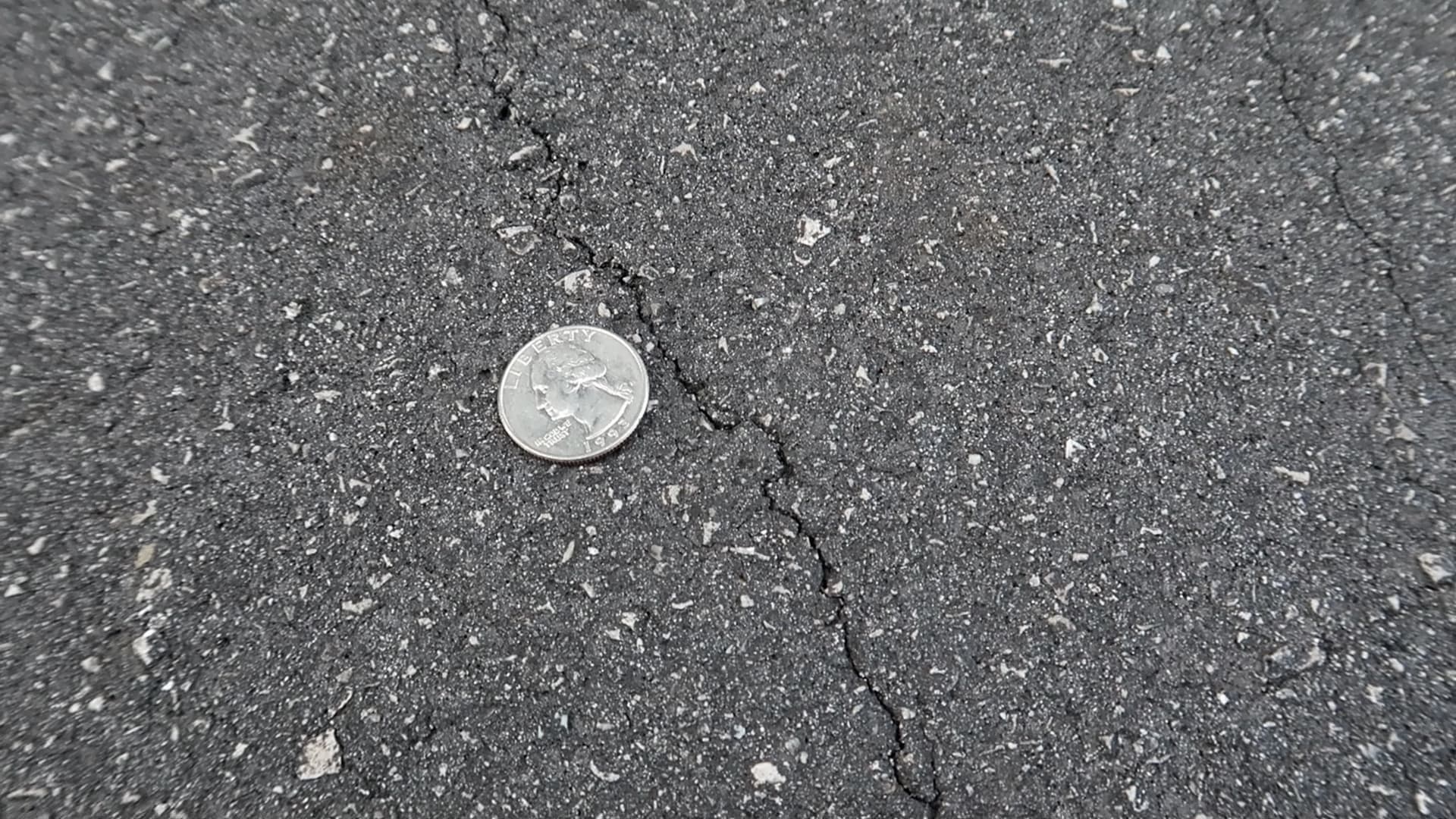
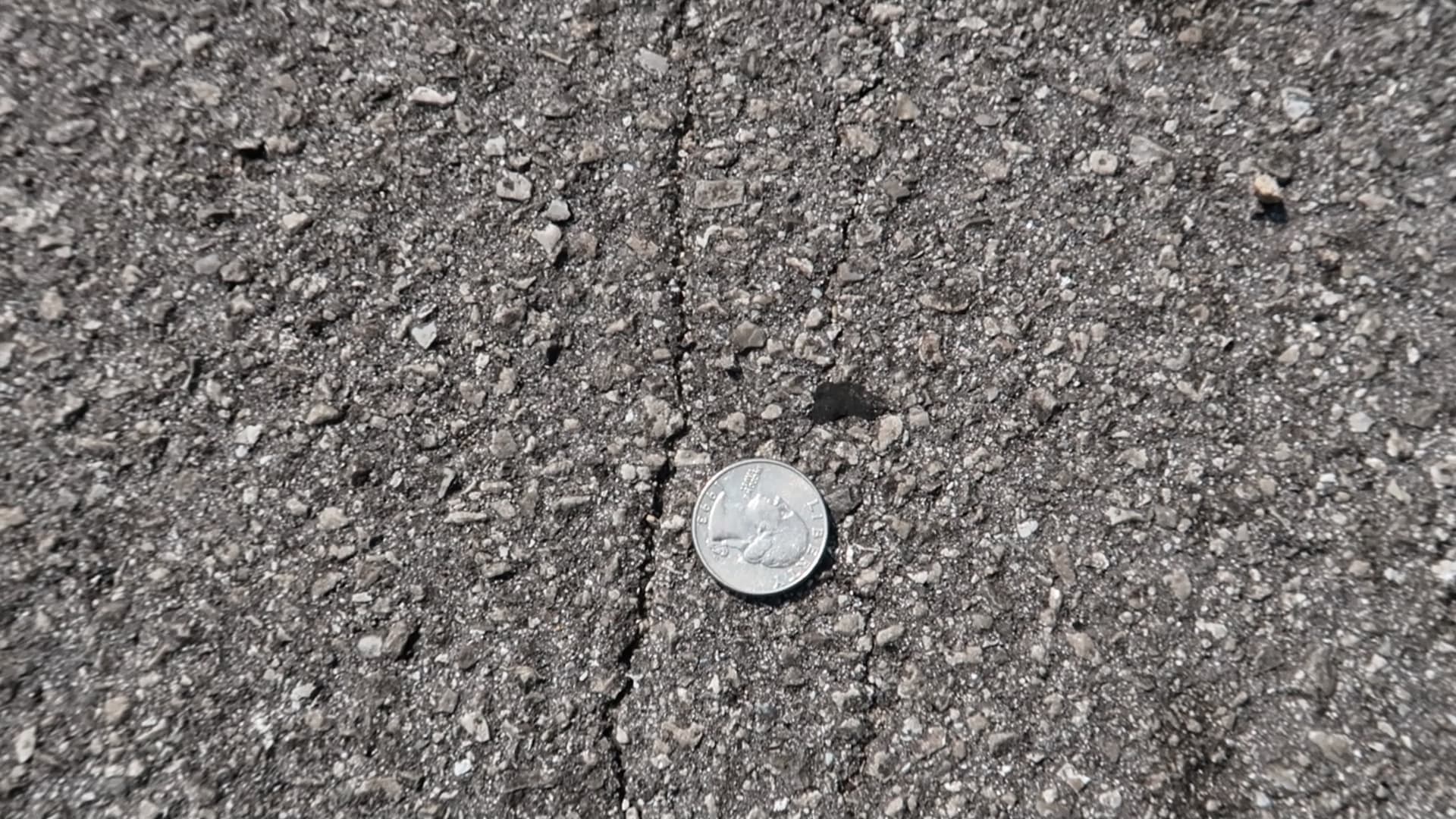
Reflective cracking is driven by movement in the pavement below. The comparison is therefore not about claiming that one roadway moved while the other did not. It is about how that movement expressed itself through the finished treatment.
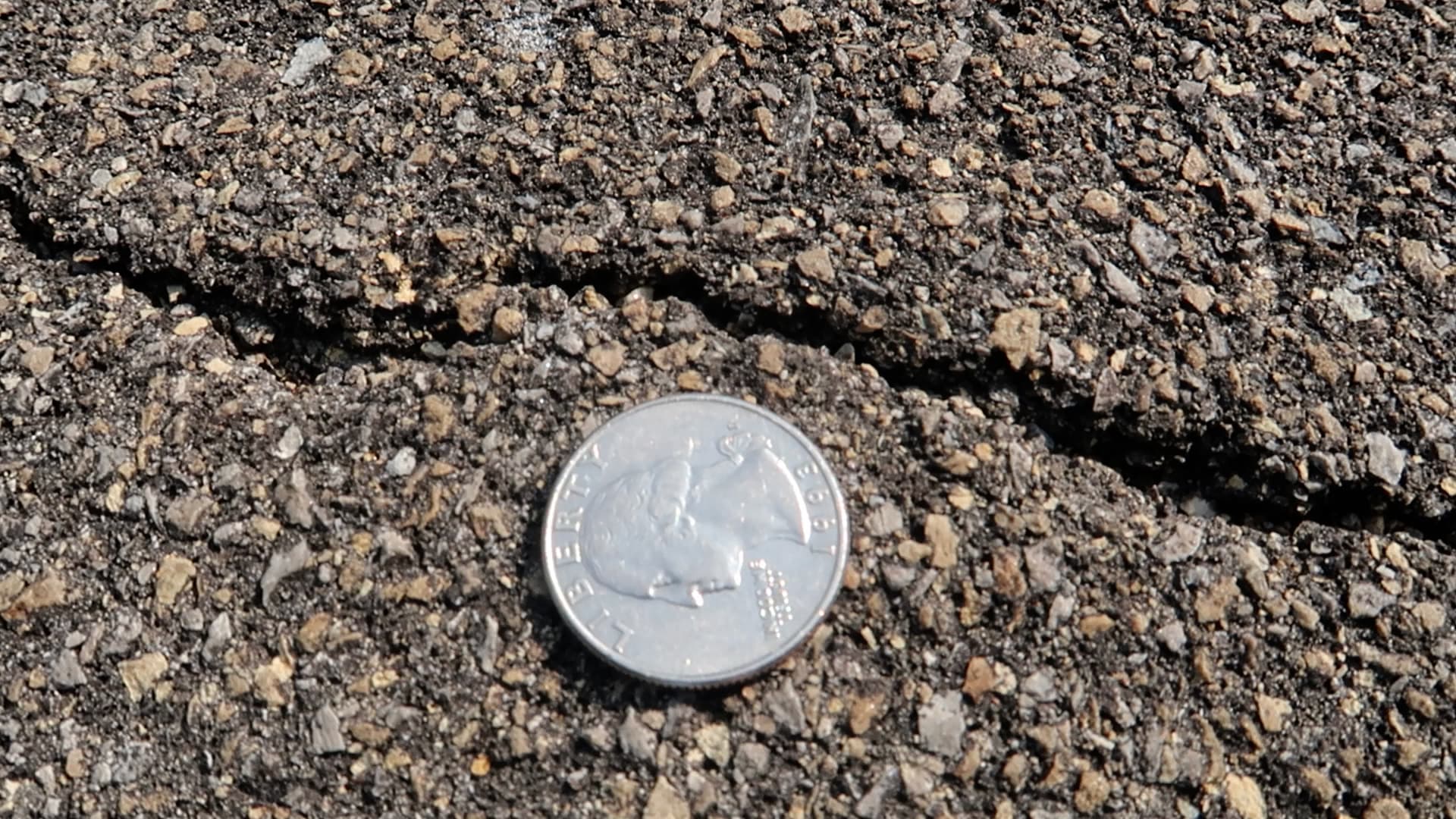
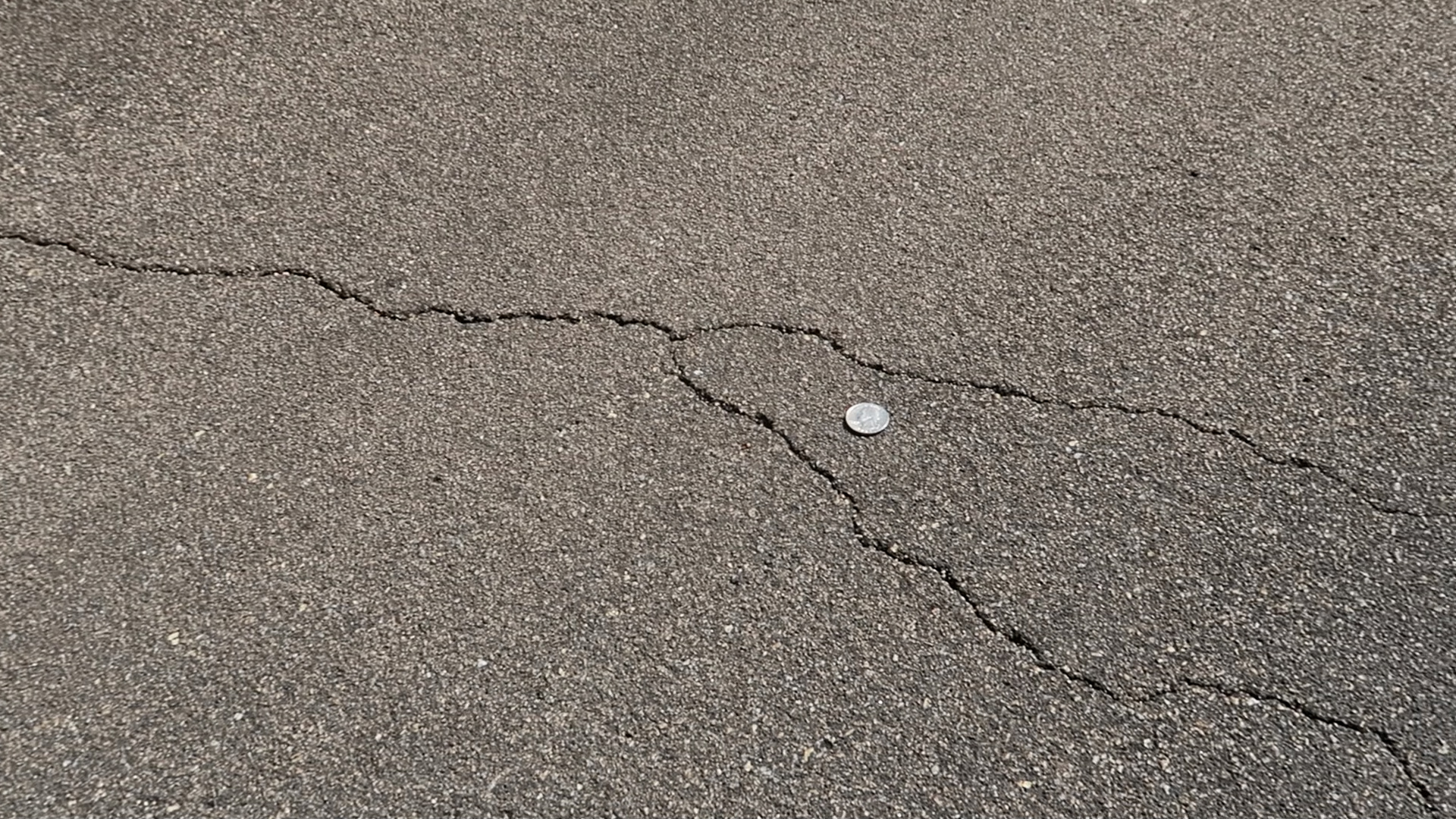
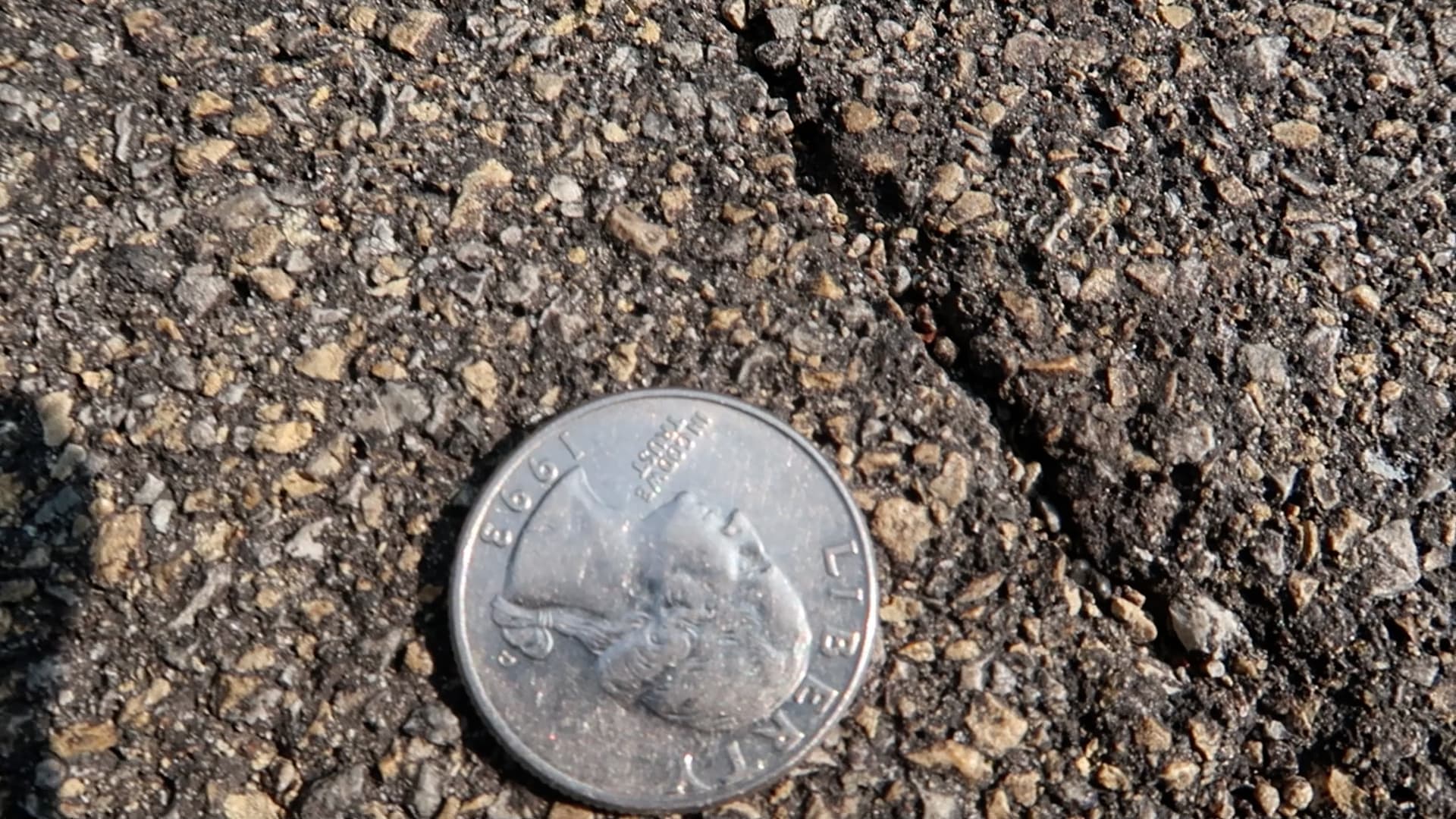
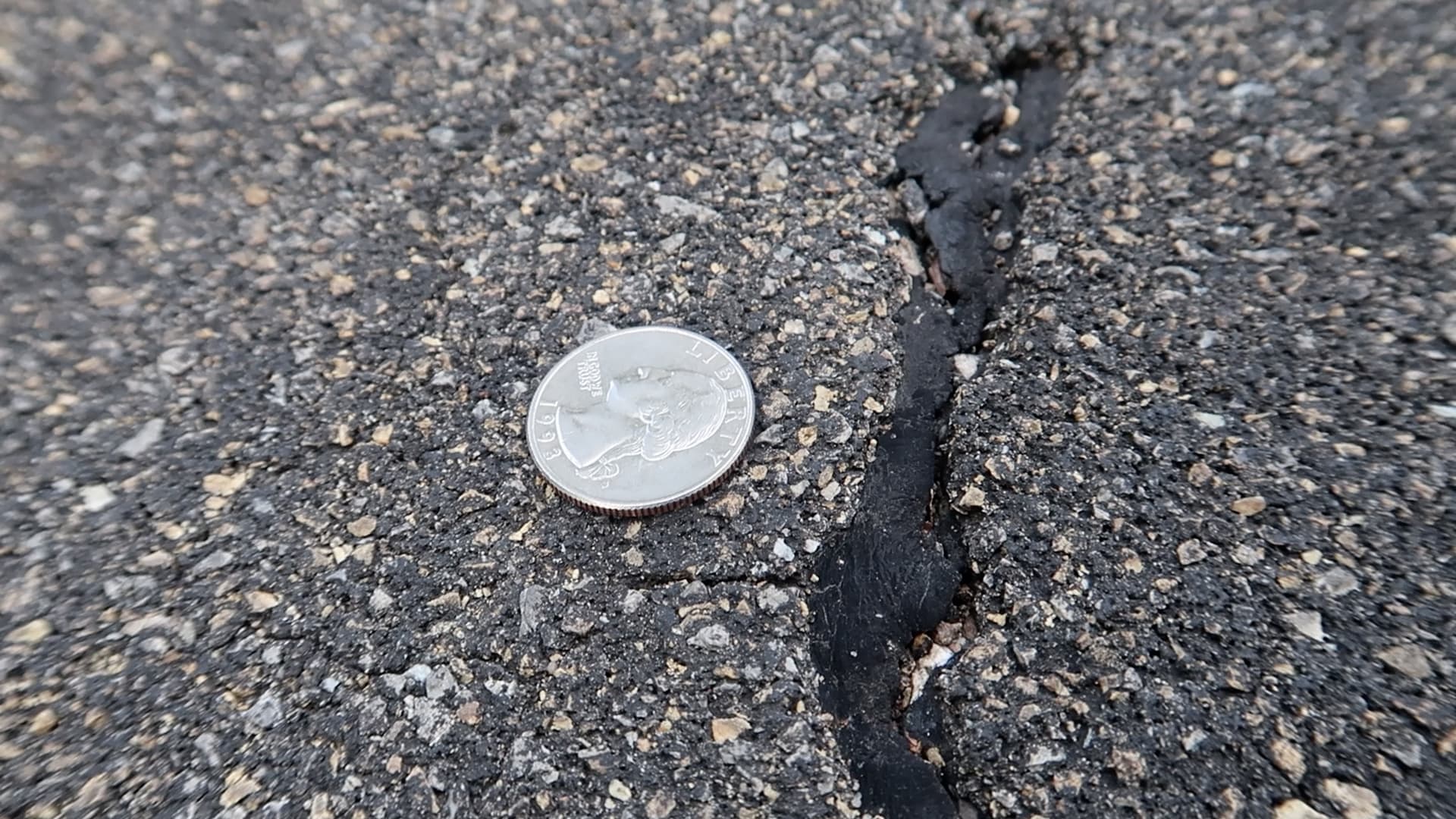
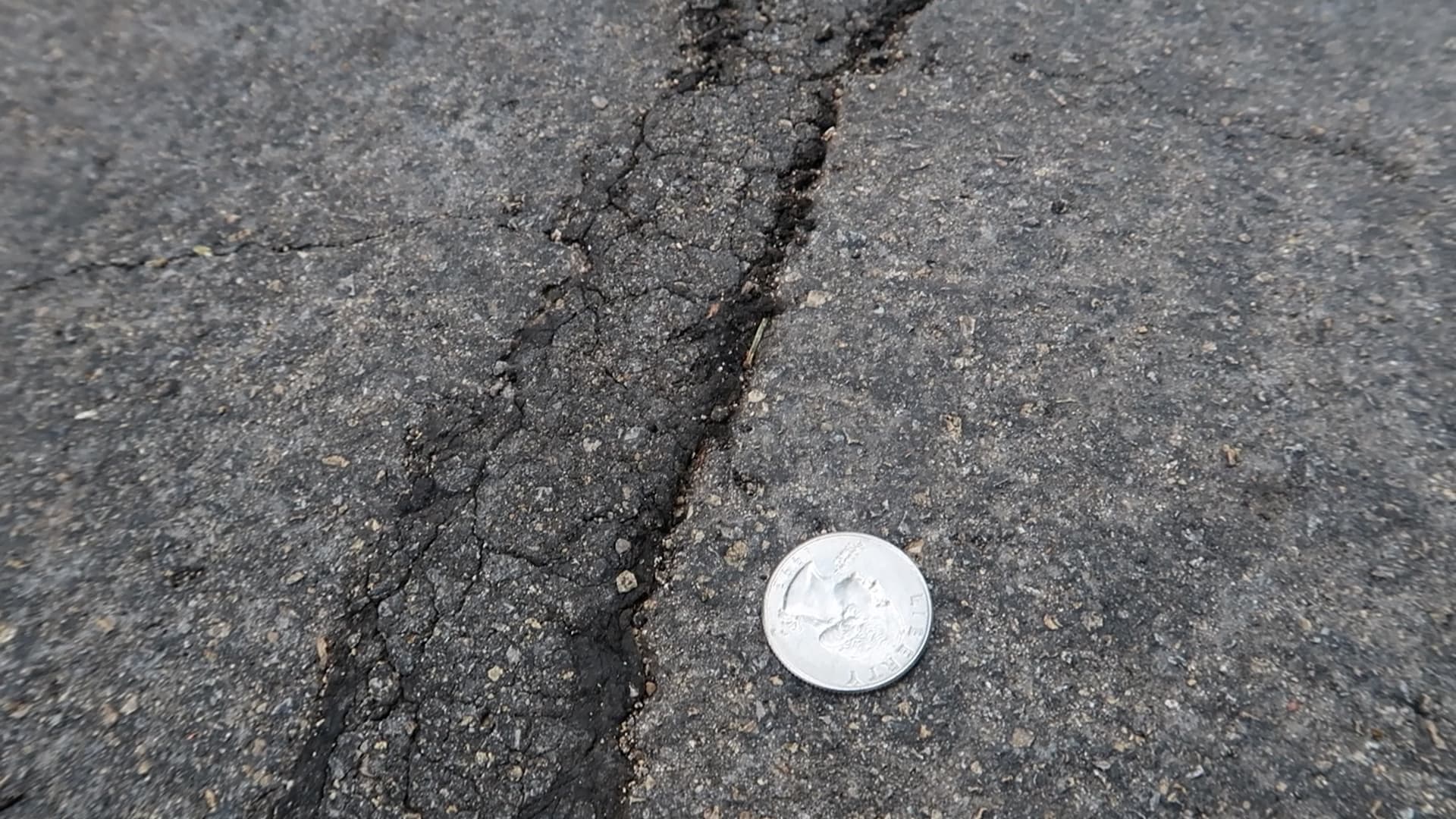
Reflective movement propagated through the double-seal microsurfacing treatment and reopened at the surface with substantially wider visible cracking.
Pavement movement was still present, but the resulting surface expression through the MAQS® driving surface was observed as comparatively narrow hairline cracking.
Why the Difference Matters
A wider surface crack can create a more direct pathway for water into the pavement below. In the PressurePave® section, the stress-absorbing and sealing material remains beneath the MAQS® driving surface even where reflective movement becomes visible above.
The objective is not to claim that pavement movement disappears. It is to manage how that movement reaches the surface while maintaining protection over the distressed pavement beneath it.
See the Evidence
Explore field observations, pavement samples, animations, and demonstrations showing how reflective cracking develops and how PressurePave® is designed to manage it.
See how reflective cracking appears across different pavement treatments in real-world conditions.
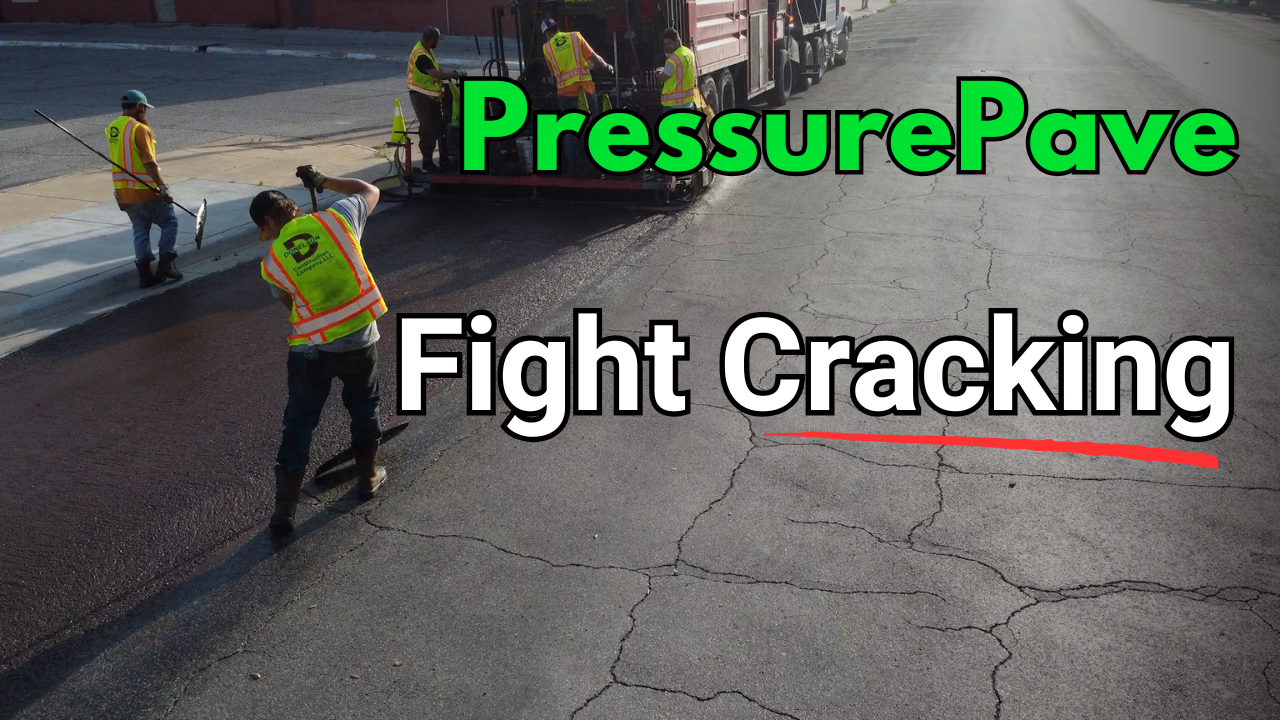
See how reflective cracking develops and how pavement treatments respond to movement from the existing roadway below.
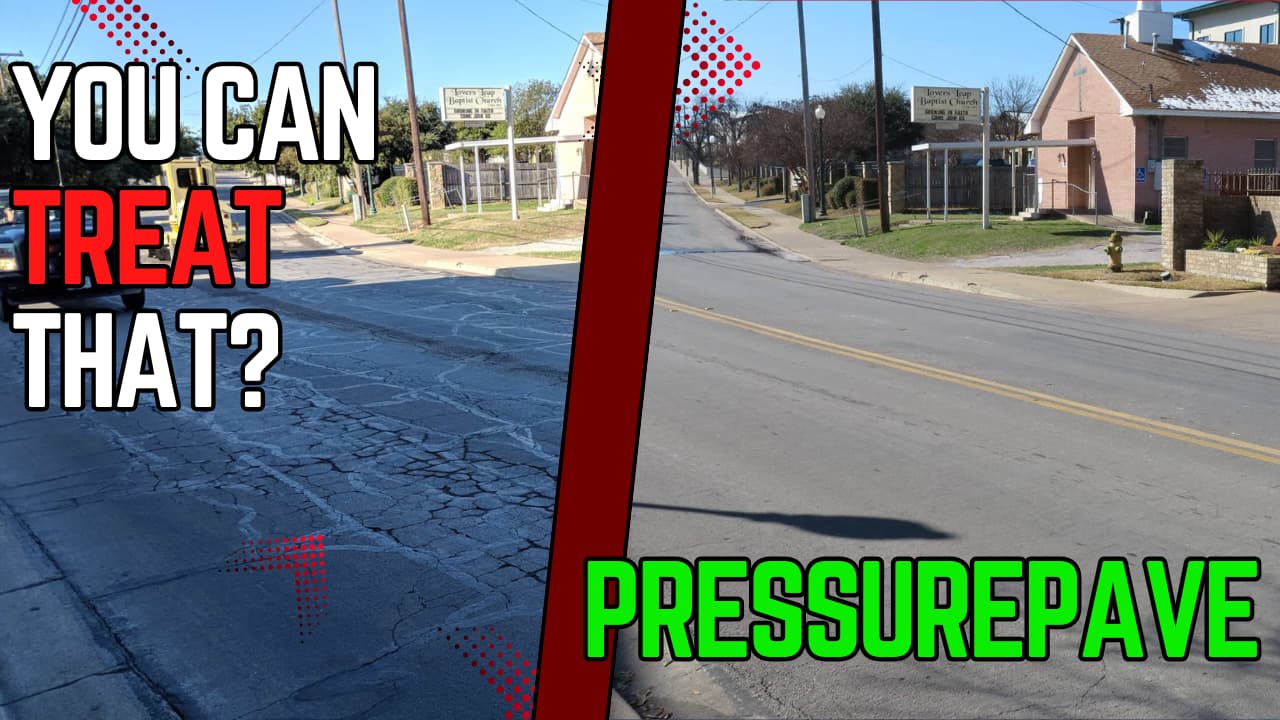
Examine how reflective pavement movement can present at the finished MAQS® surface.
A Different Approach
The goal is to manage that movement, protect the pavement beneath it, and reduce the consequences when reflective cracking returns.
Help distribute pavement movement before stress becomes concentrated directly above the original crack.
Manage how existing pavement movement propagates toward the finished MAQS® driving surface.
Maintain stress-absorbing and sealing material between surface cracking and the distressed original pavement.
Go Deeper
Reflective cracking is only one part of the pavement rehabilitation story. Explore the complete PressurePave® system, documented field performance, and real-world pavement evidence.