
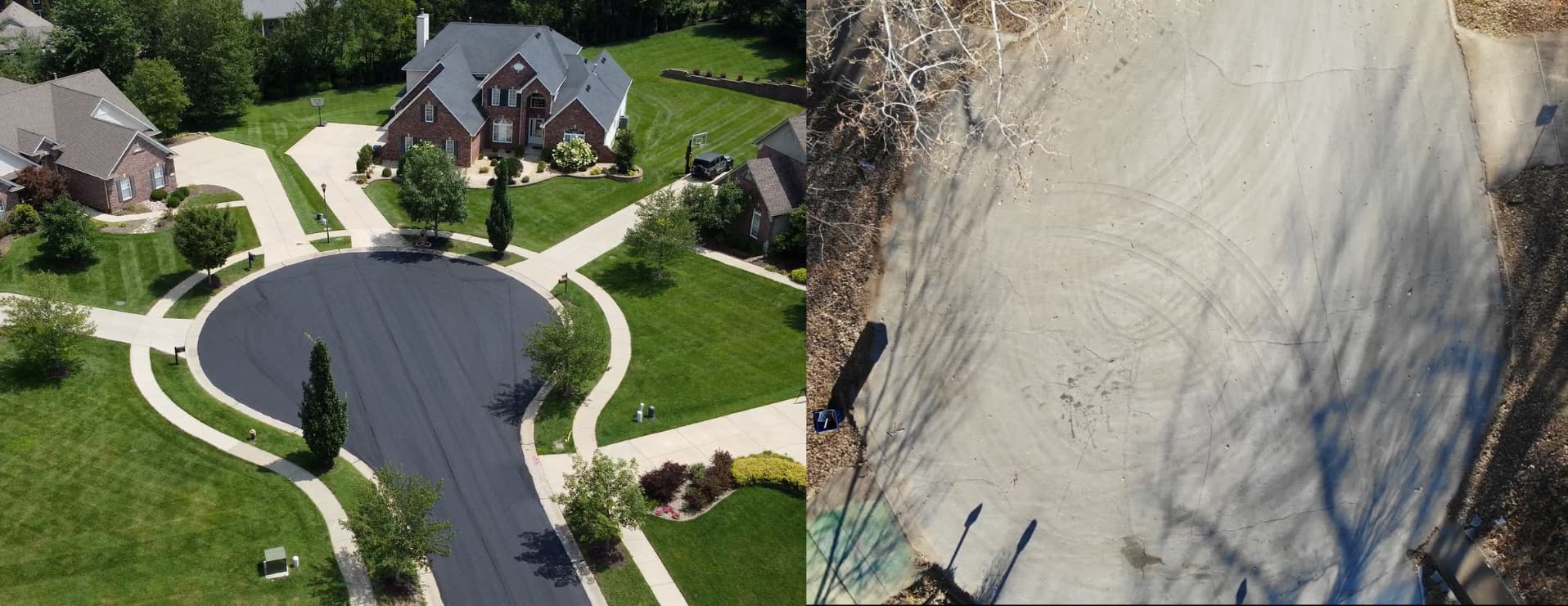
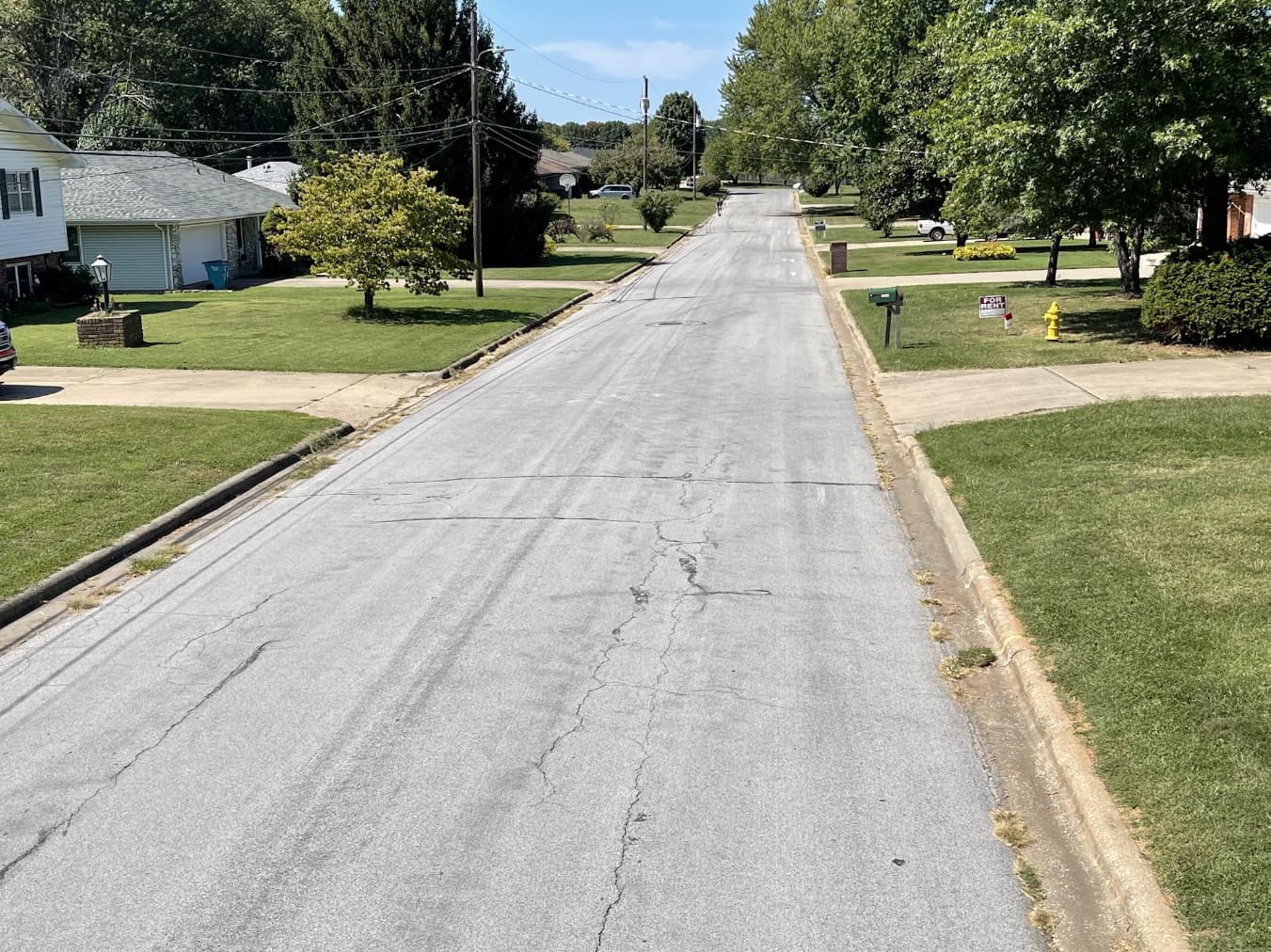
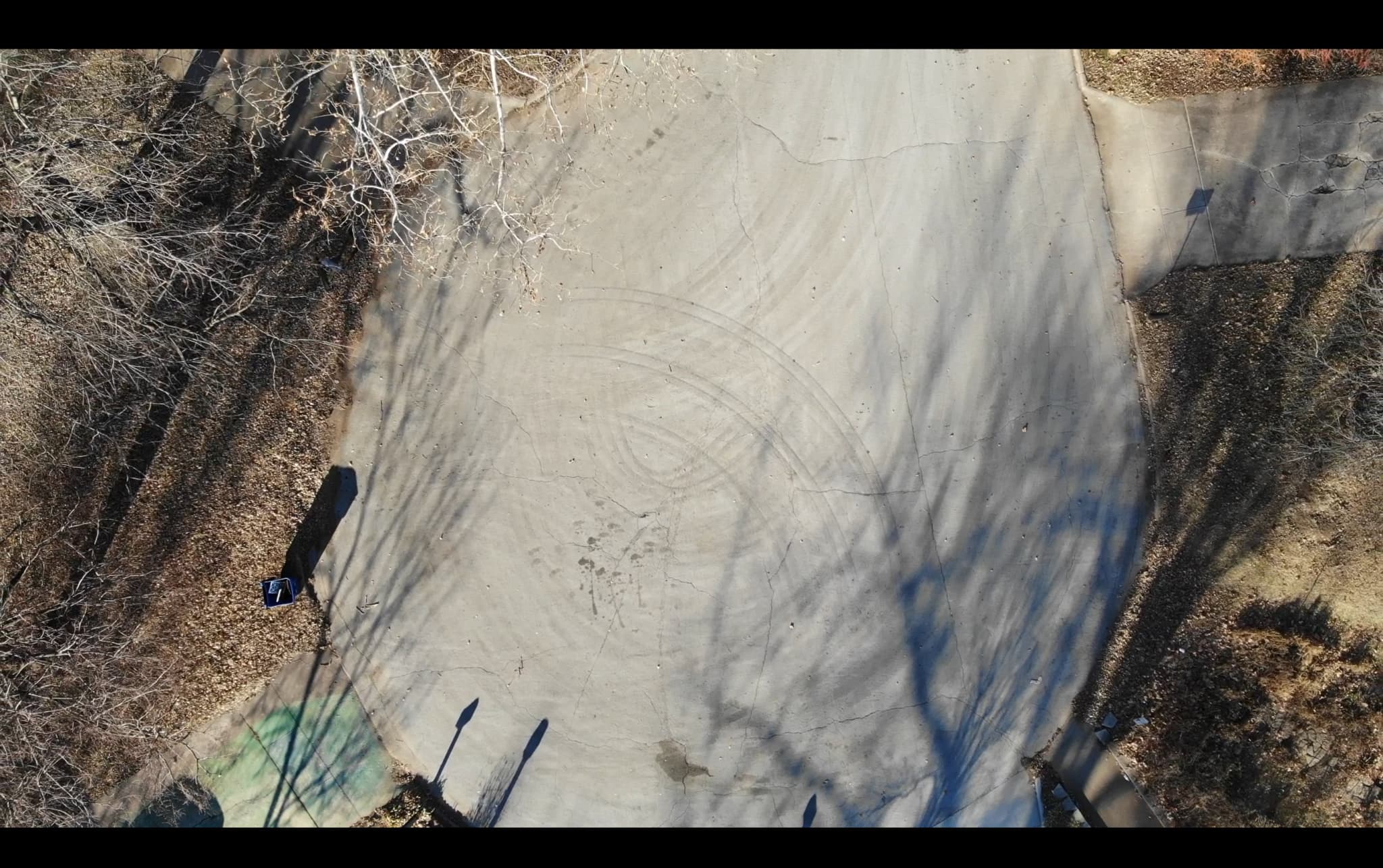
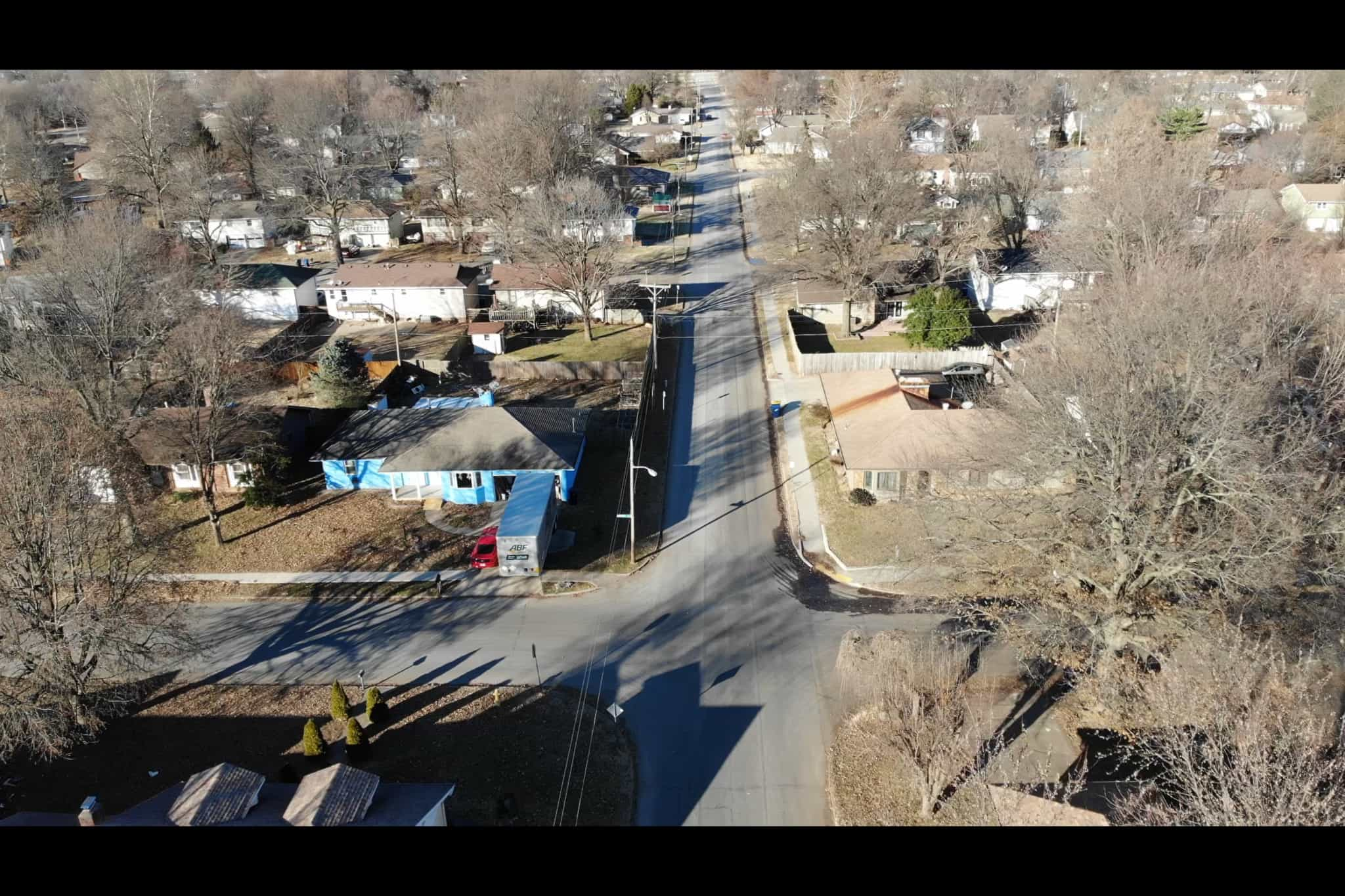
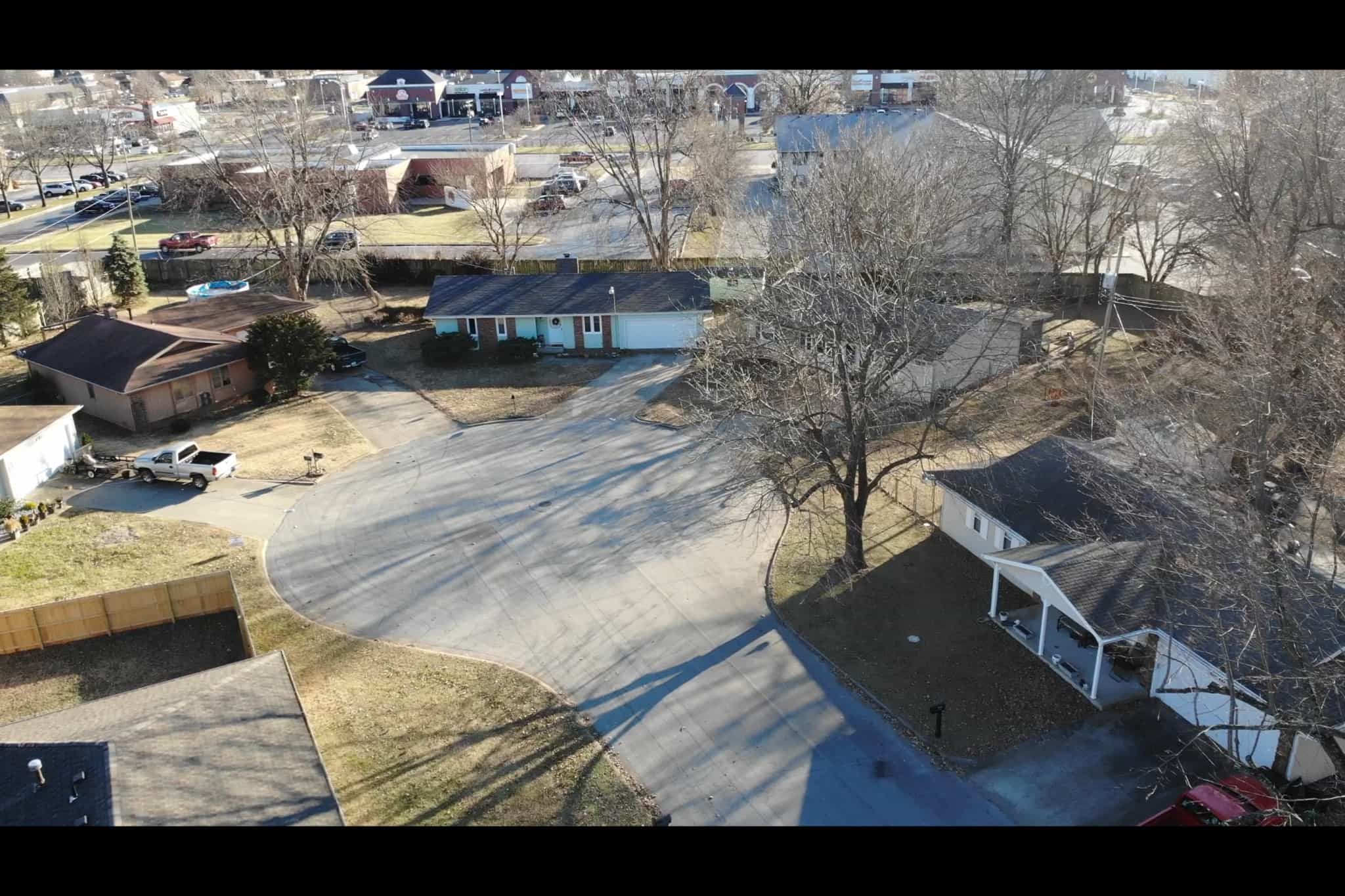
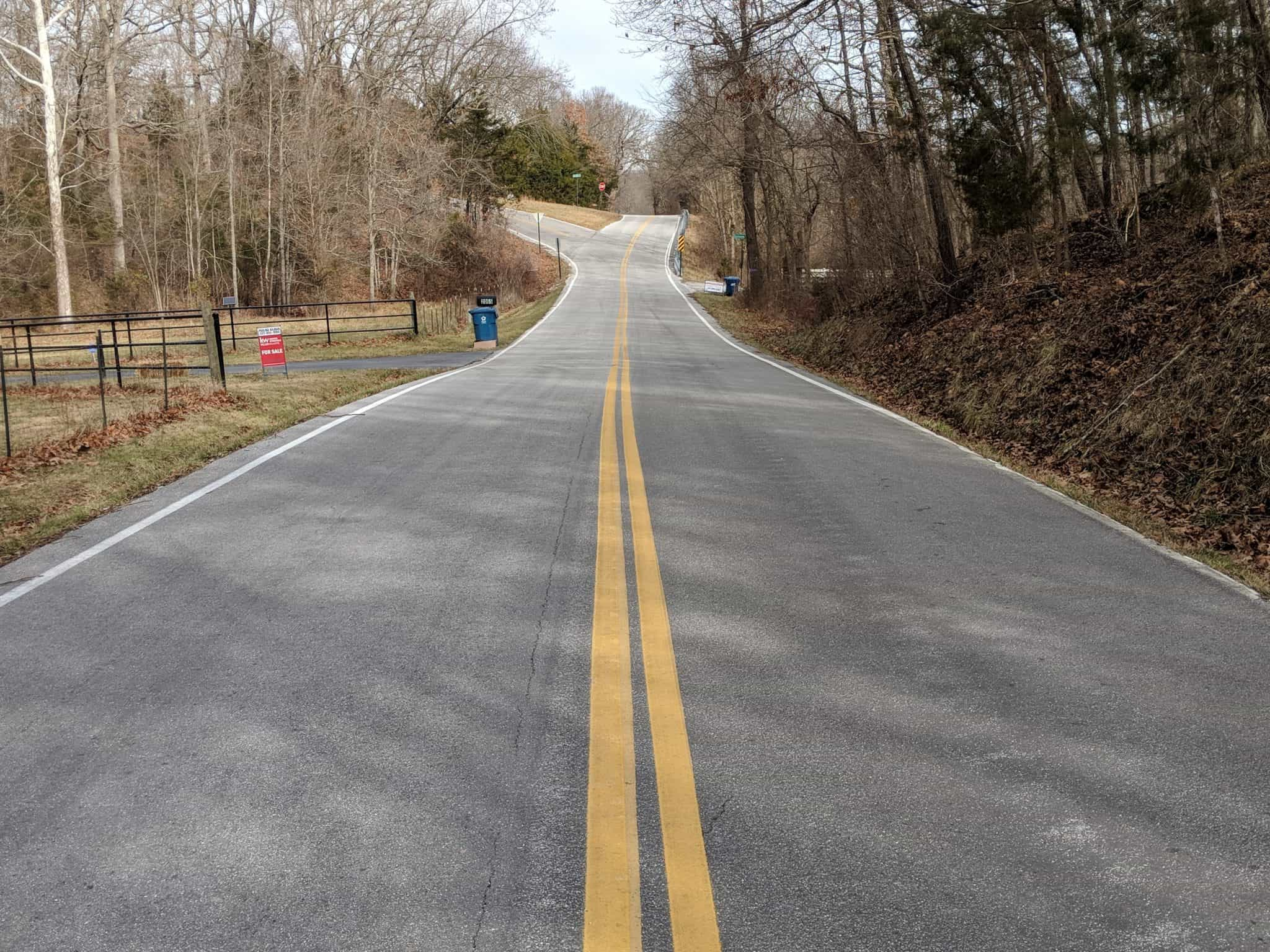
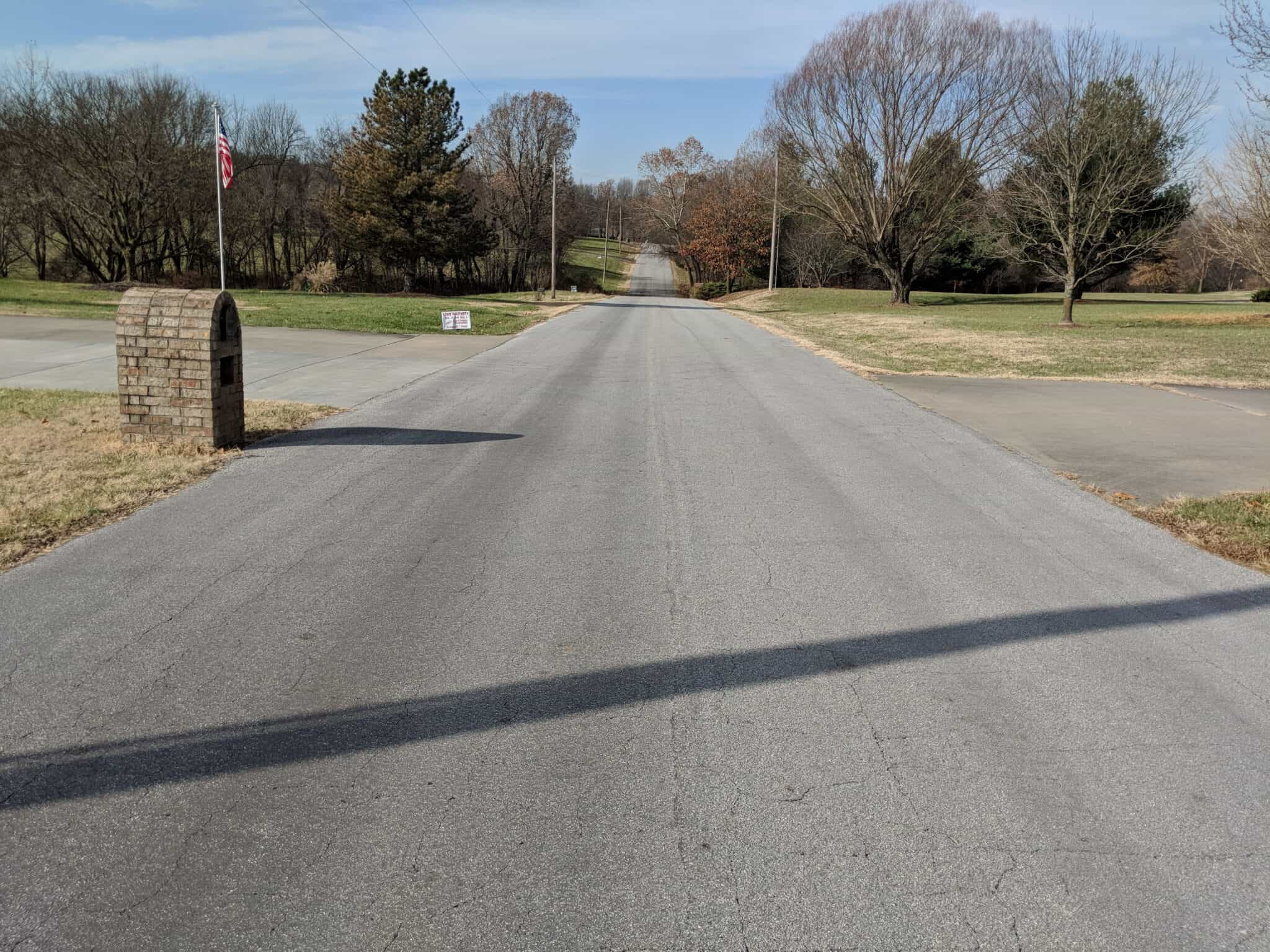
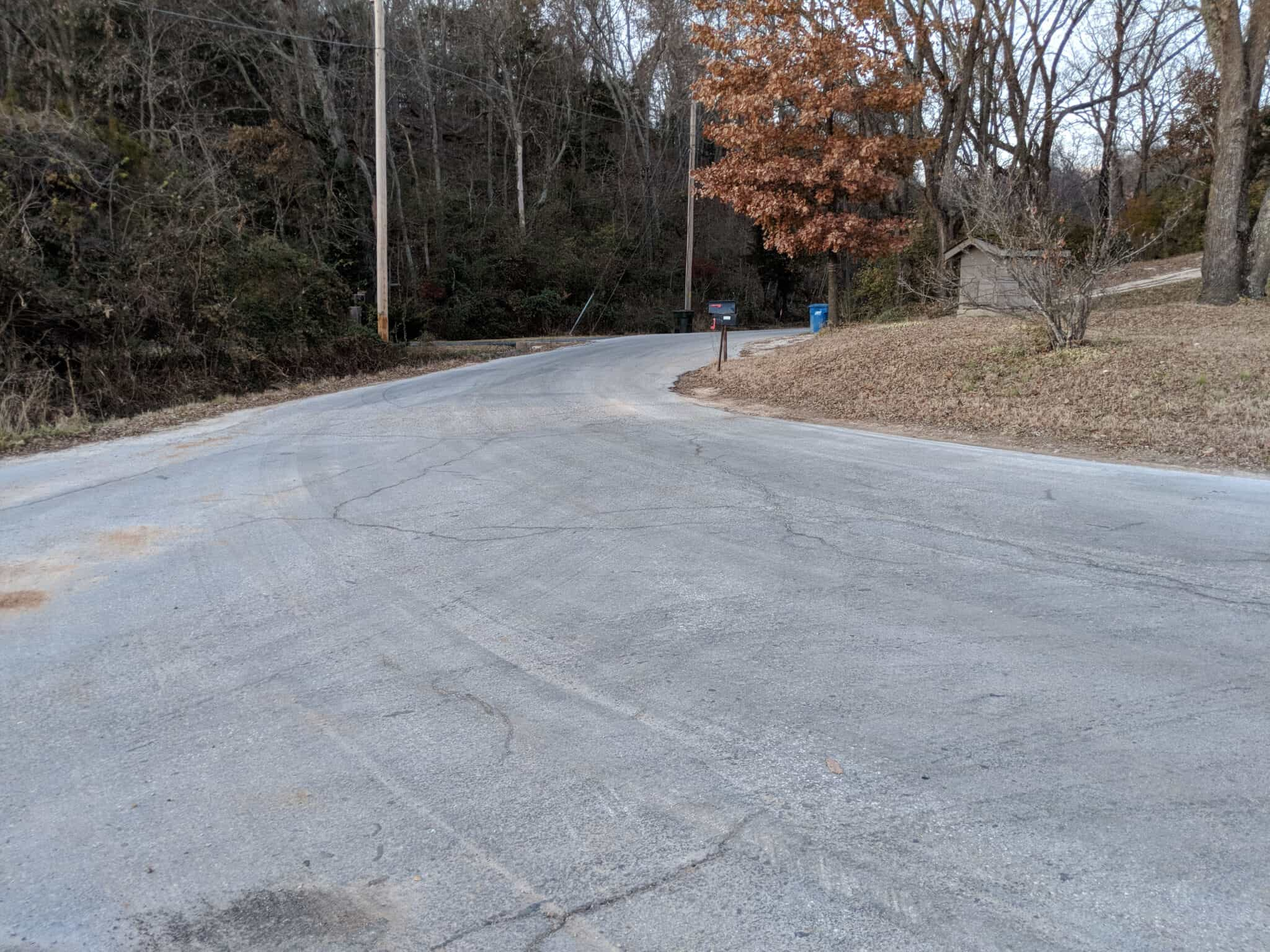
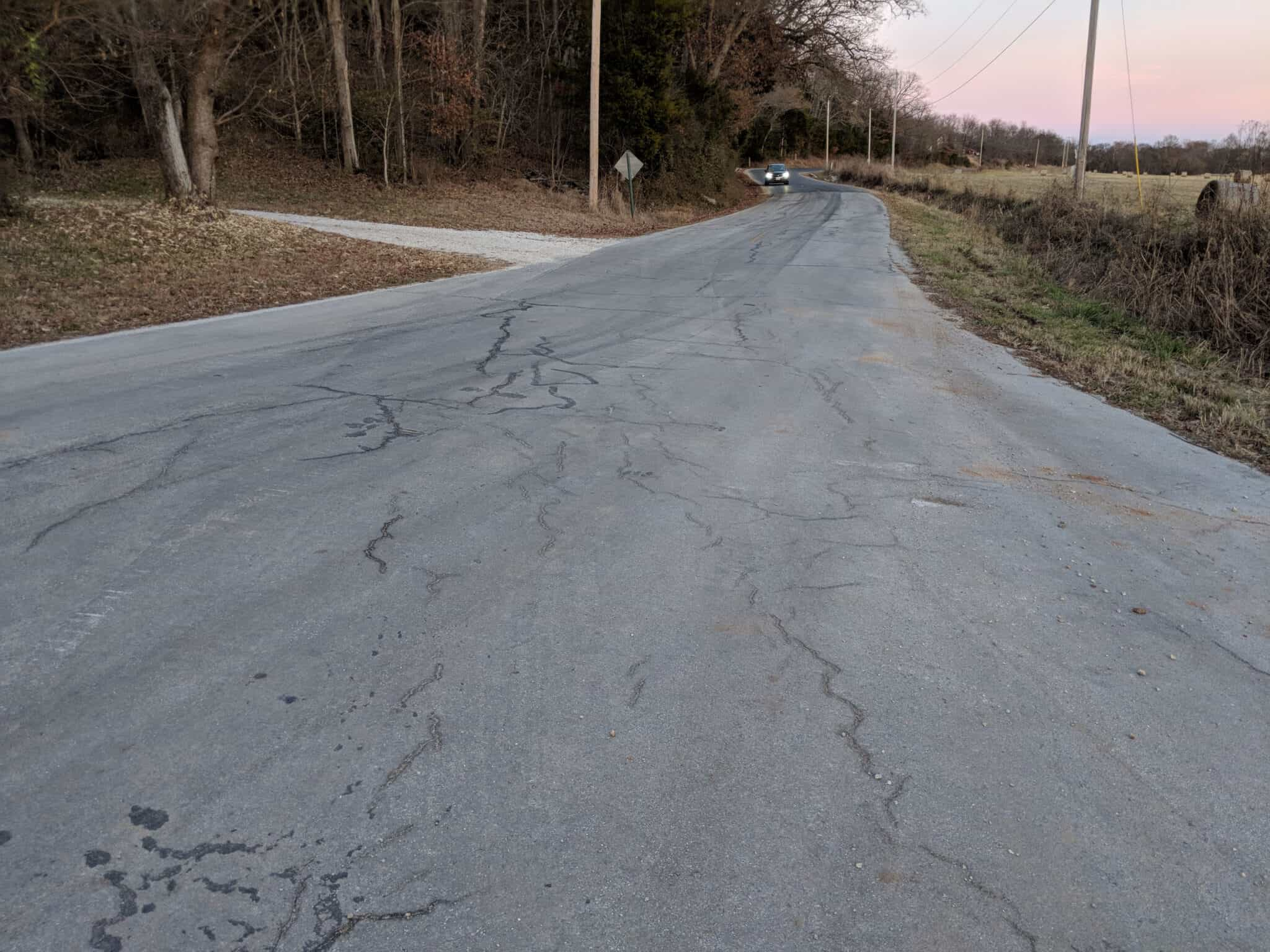
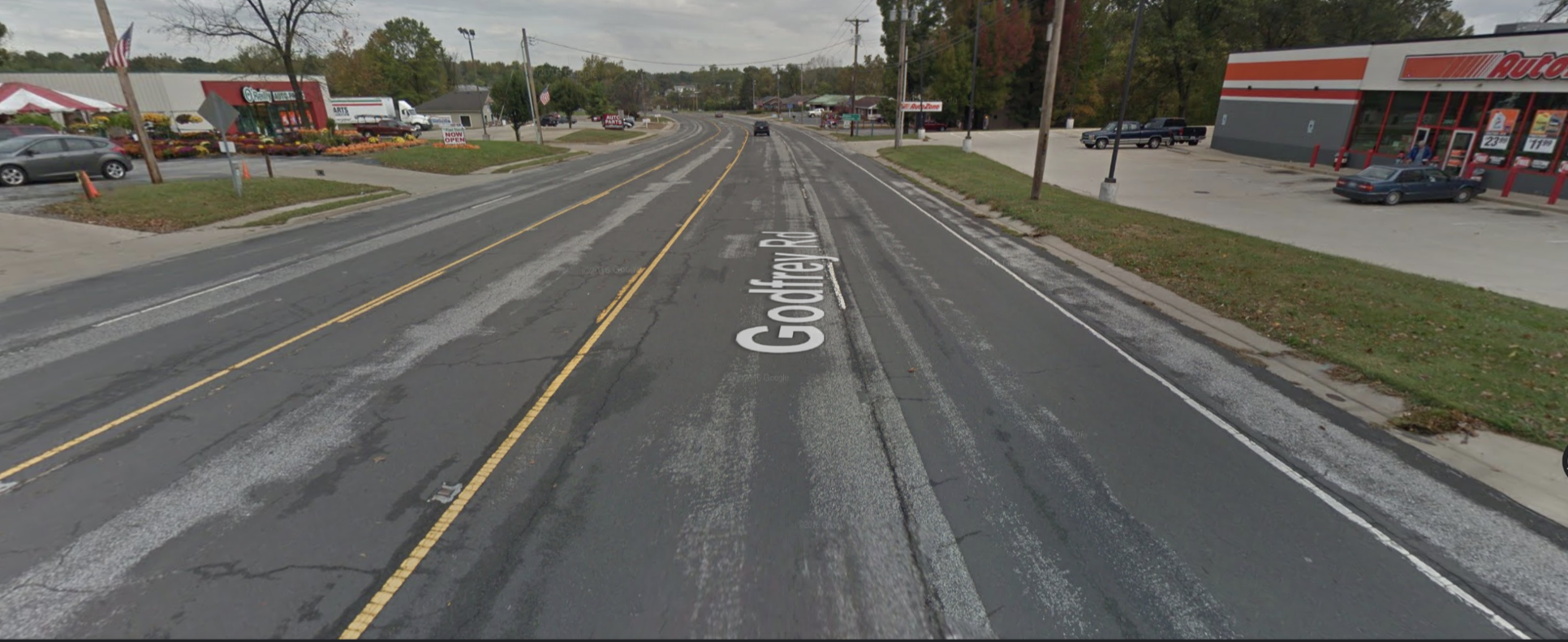
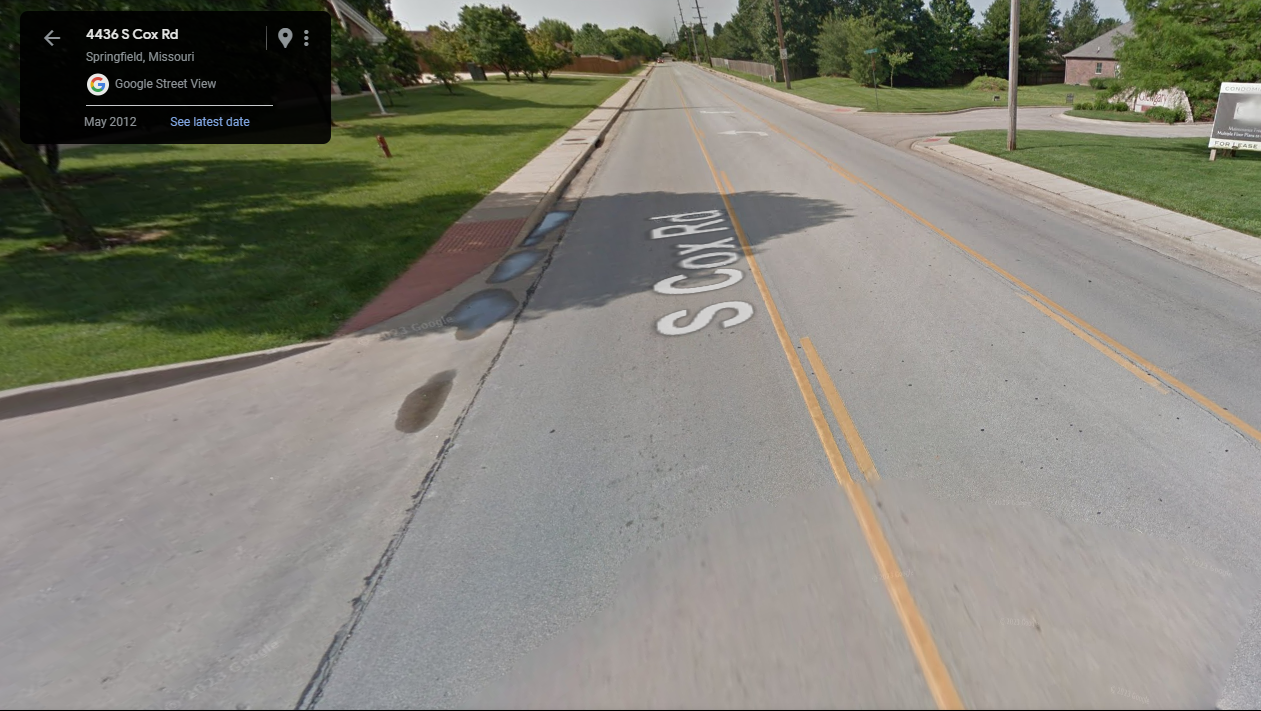
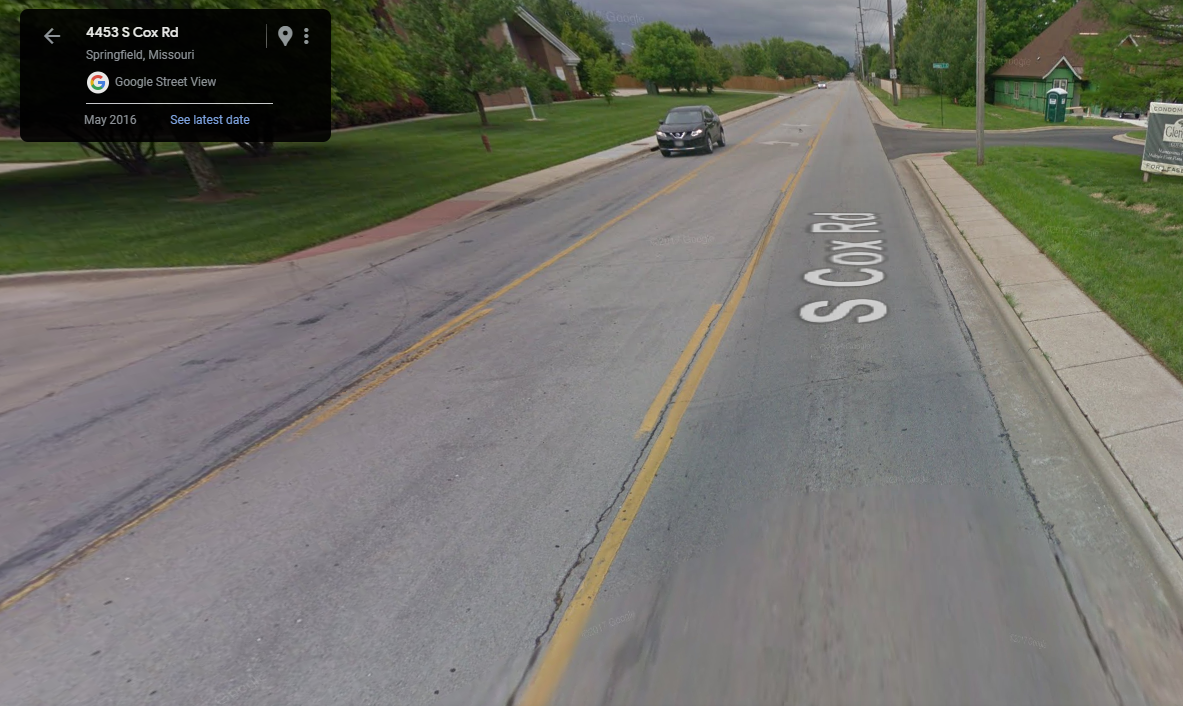
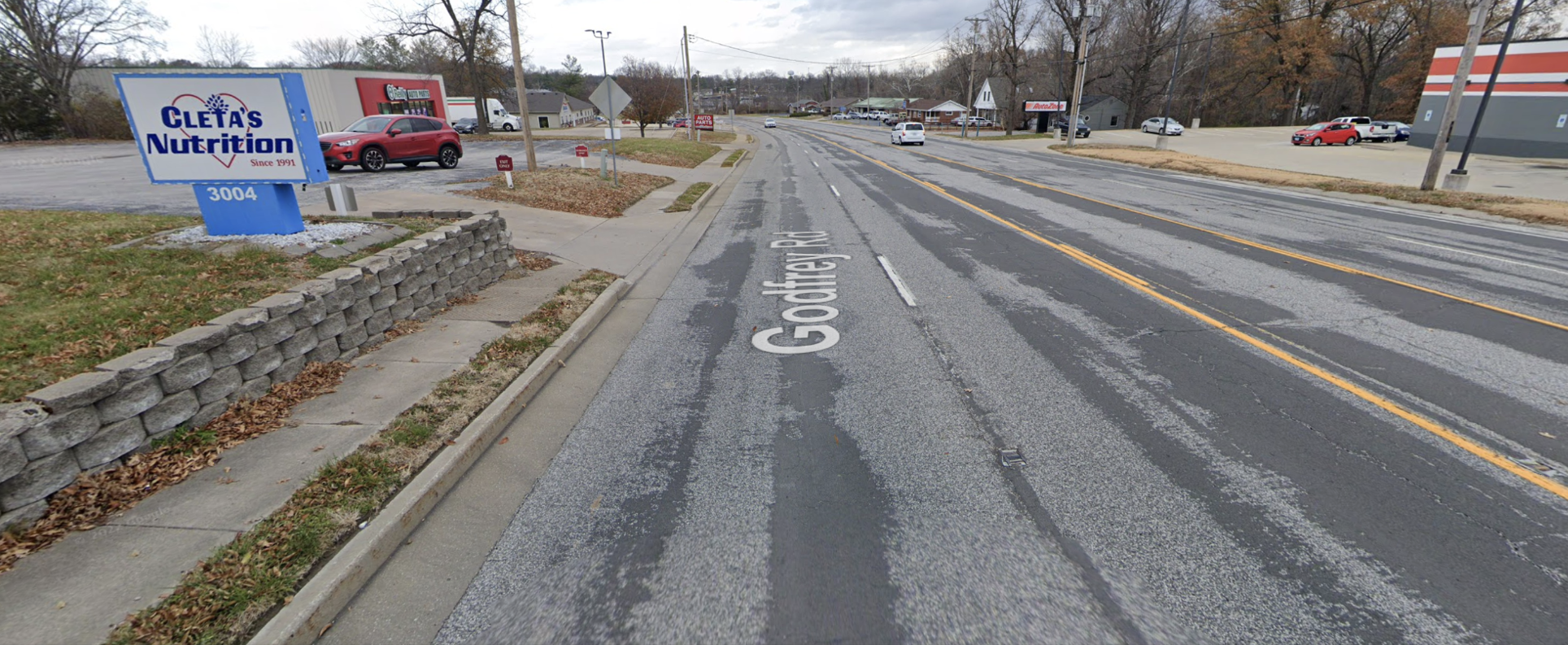
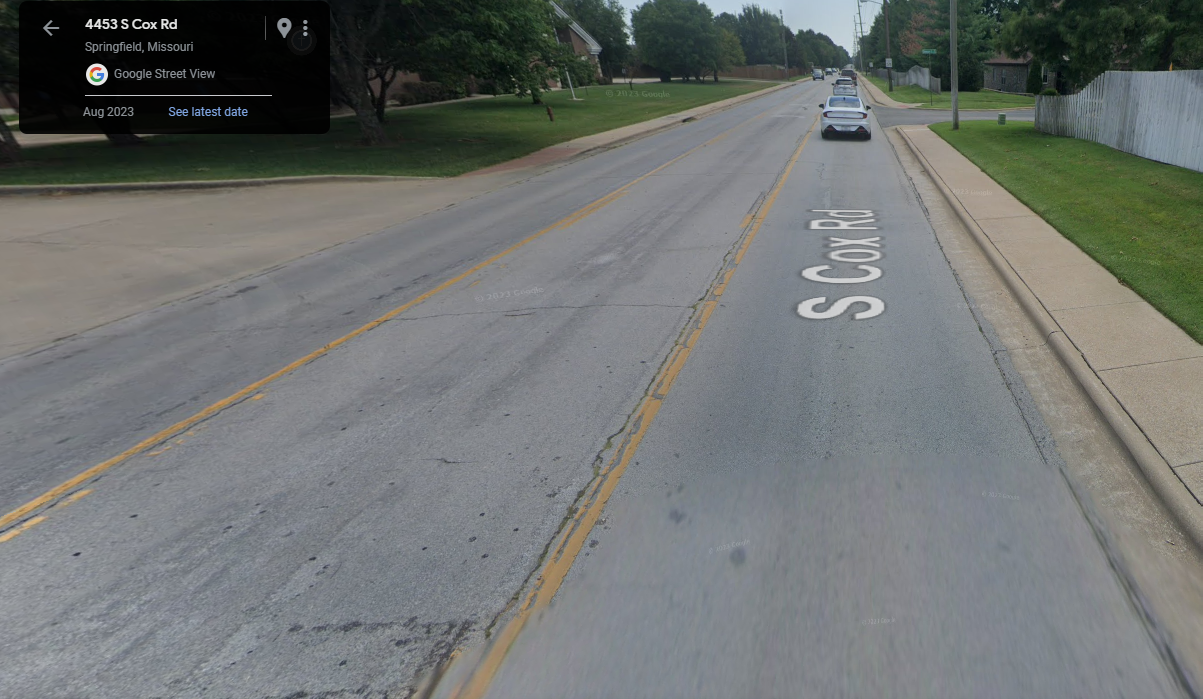

MAQS® residential roadway approximately 15 years after construction

Long-Term Pavement Performance

12–15 Years Later,
the Surface Is Still Doing Its Job.

Donelson Construction has documented MAQS® driving surfaces in service for more than a decade across residential streets, cul-de-sacs, collectors, and higher-traffic roadways.

Explore the Field Evidence

Performance Over Time

Long-Term Performance Is Best Understood in the Field.

Pavement performance cannot be judged only on the day a road opens to traffic. The more meaningful question is how the surface behaves after years of loading, weather, seasonal movement, and everyday use.

The MAQS® Driving Surface Has a Documented Field History.

MAQS® has been used on a variety of roadway types over many years. These projects provide a real-world record of how the surface performs as it ages.

That history is especially important to PressurePave®, because MAQS® serves as the finished driving surface in the PressurePave® system.

The examples below show documented surfaces at 10, 13, and 15 years of service.

10–15+ Years of Documented Field Service

Long-Term Side-by-Side Case Study

Following Pavement Performance Over Time.

A single photograph only captures one moment. Following pavement over multiple years provides a clearer picture of how surfaces change as they are exposed to traffic, weather, and continued pavement movement.

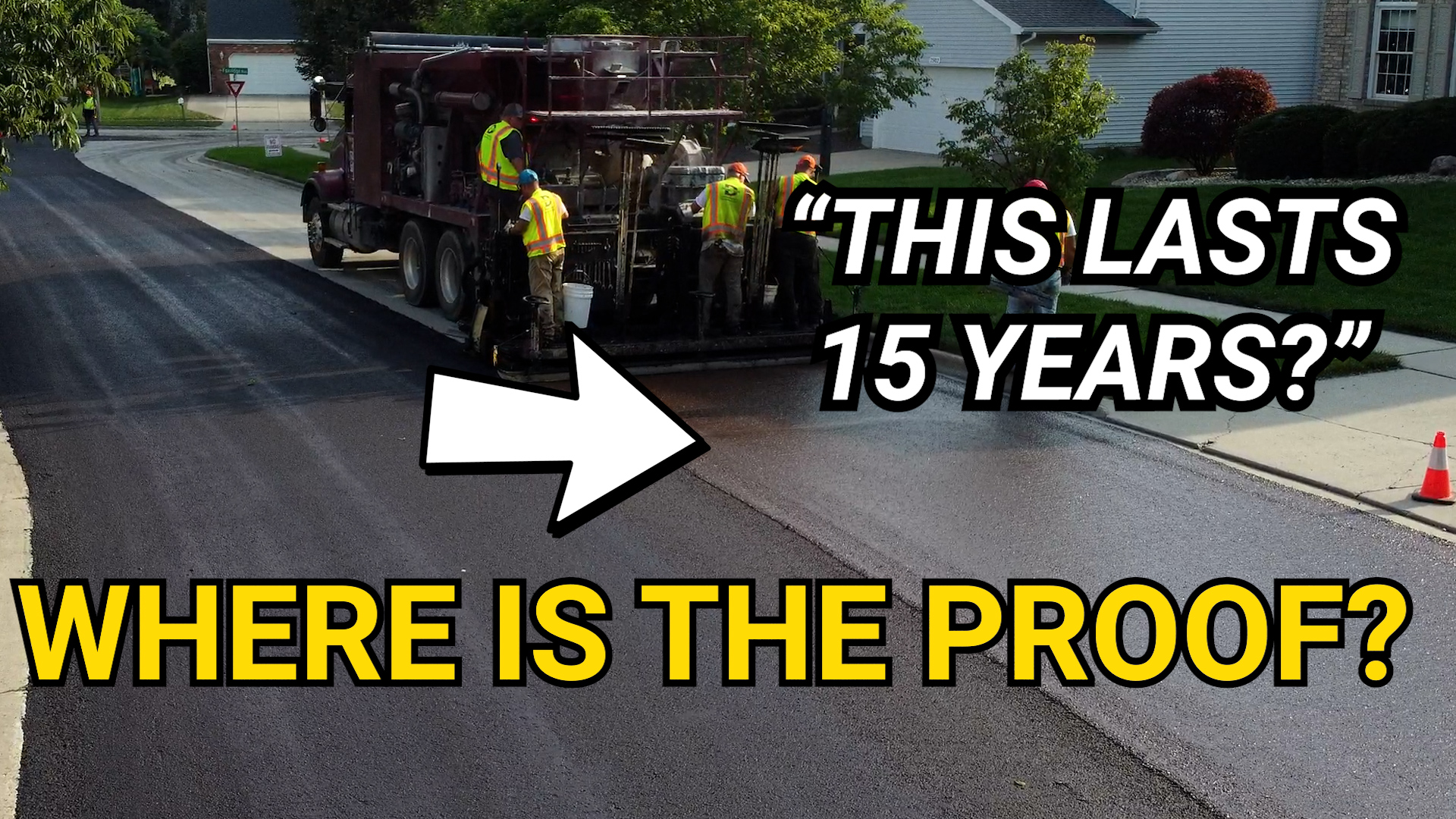
Pavement performance case study video

Watch the Case Study

See the Performance Story Behind the Data.

Follow the case study as Donelson Construction examines how pavement changes over time and what those changes tell us about long-term pavement performance.

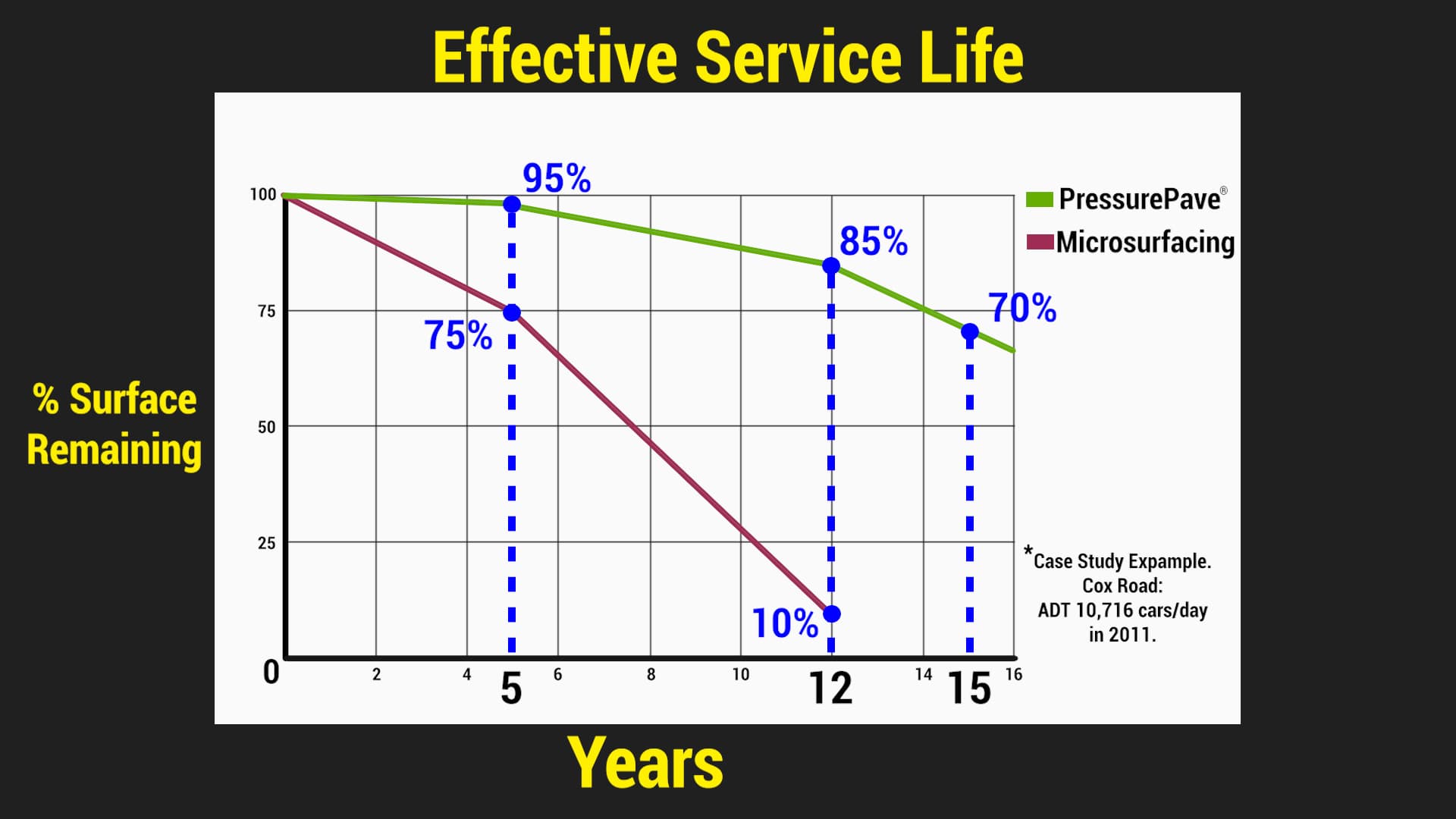
Case study graph illustrating pavement performance over time
Case-study data provides another way to evaluate how pavement treatments perform throughout their service life.

Long-Term Performance

See the Long-Term Performance Discussion.

This video provides additional context for the field evidence and long-term pavement performance shown throughout this page.

MAQS® long-term pavement performance video

High-Traffic Field Performance

More Than 13 Years Under Approximately 13,000 Vehicles Per Day.

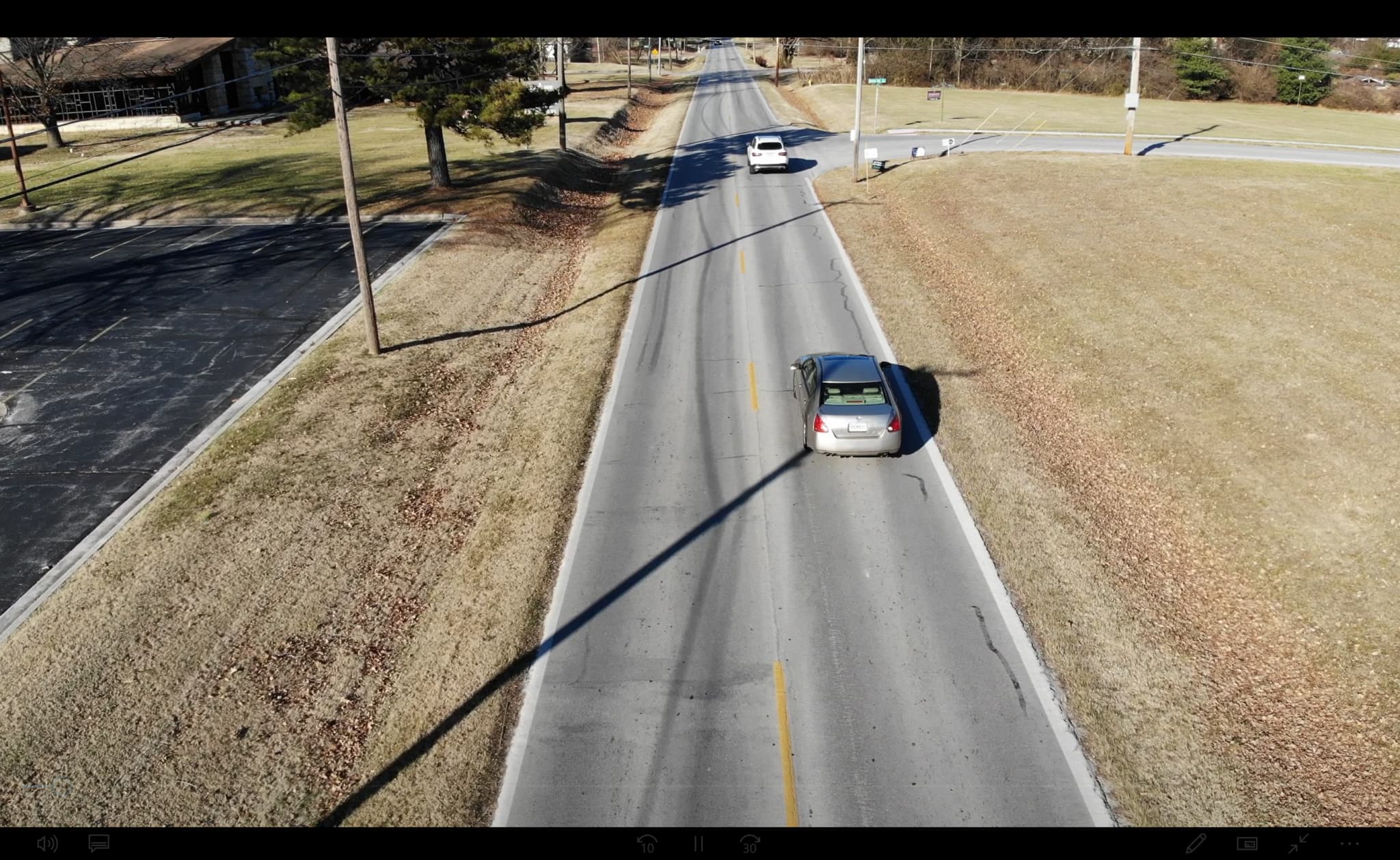
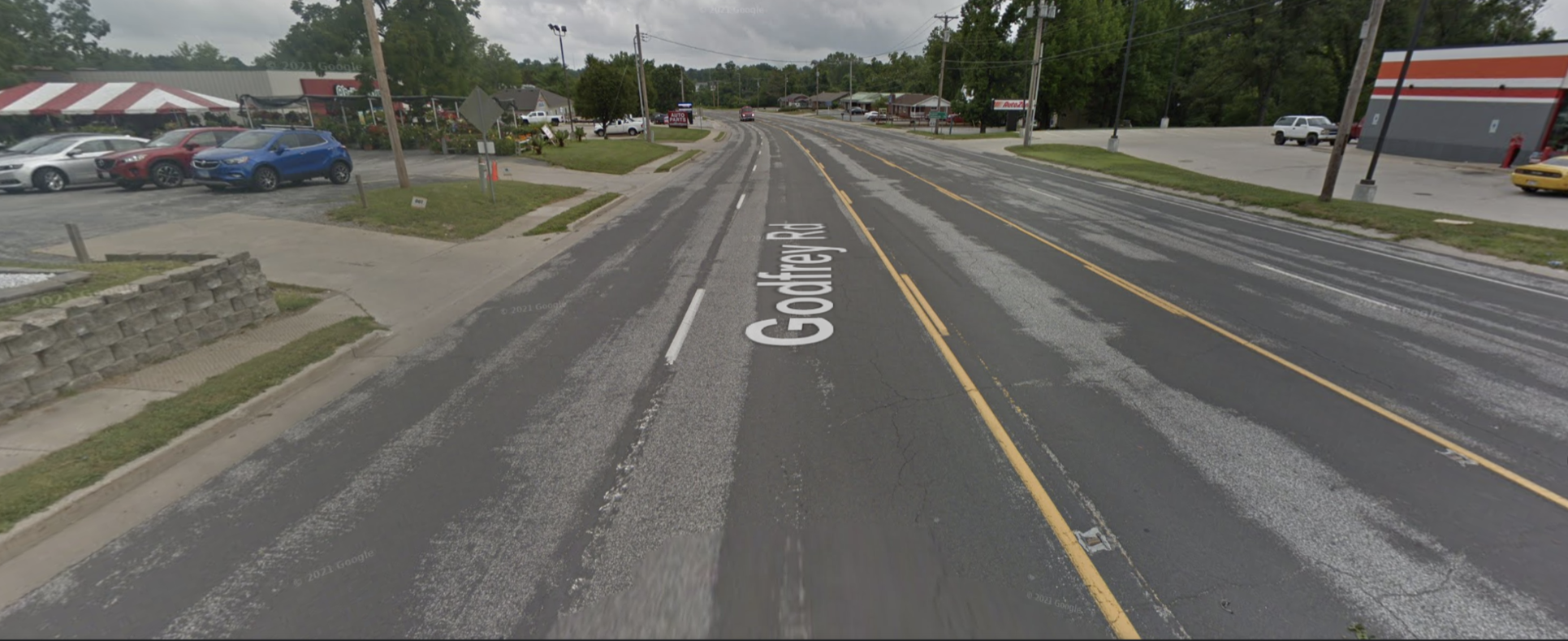
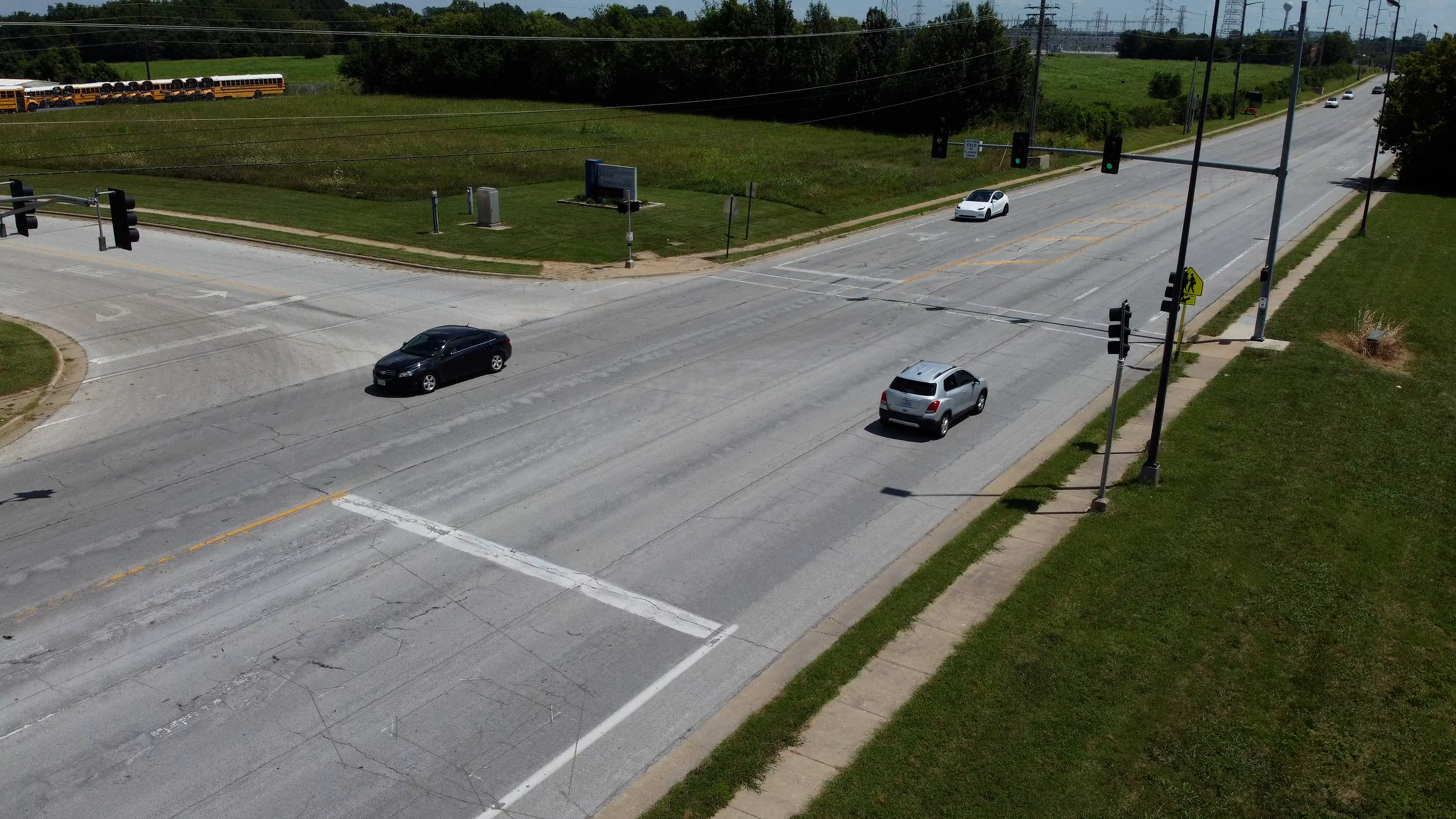
One of our most important long-term examples is a roadway paved with a Type 2 MAQS® surface that carried approximately 13,000 vehicles per day for more than 13 years.

Type 2 MAQS® roadway after more than 13 years of high-traffic service
Type 2 MAQS® surface after more than 13 years of high-traffic service.
13+ Years in Service
~13K Vehicles Per Day
Type 2 1/4" Surface

Long-Term Performance Under Demanding Traffic.

Despite sustained traffic exposure, the Type 2 surface continued to perform well more than a decade after installation.

That history gives Donelson Construction a valuable real-world reference point for evaluating the next generation of PressurePave® on the same roadway.

Building on Proven Performance

From Type 2 to Type 3 PressurePave®.

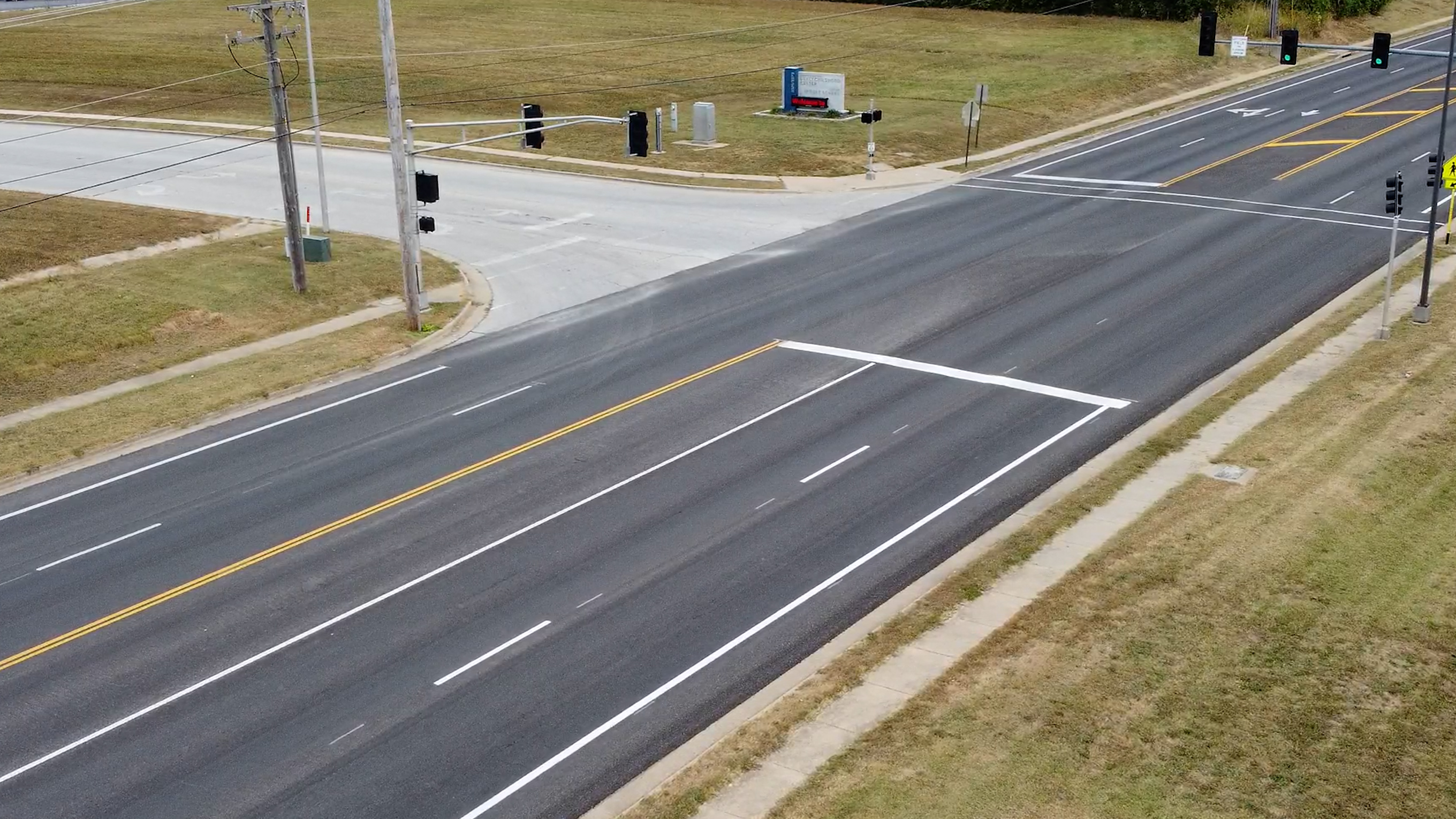
The previous Type 2 roadway gives us more than a decade of real-world performance history. The roadway has now been resurfaced with the heavier Type 3 PressurePave® configuration.

Historical Surface

Type 2

1/4"

The previous Type 2 surface delivered more than 13 years of service under approximately 13,000 vehicles per day.

Field History Documented long-term performance under demanding traffic.
The long-term Type 2 performance gives us a meaningful benchmark. Donelson Construction expects the heavier Type 3 configuration to provide strong durability under similar conditions, but the evidence will come from continued observation as the roadway ages.

The Next Performance Chapter

Now We Follow Type 3 PressurePave®.

Long-term performance evidence only becomes meaningful when projects continue to be observed after construction.

This Type 3 PressurePave® installation gives us the opportunity to follow a newer, heavier configuration on the same roadway where the previous Type 2 surface established more than 13 years of field history.

As the roadway ages, future inspections will document how the Type 3 surface responds to the same demanding traffic environment.

New Type 3 PressurePave® surface on the high-traffic Battlefield Road project
Current Type 3 PressurePave® surface installed on the same high-traffic roadway.

Performance Over Time

What Do We Look for as a Surface Ages?

Long-term observation provides a more complete understanding of how a pavement surface responds to traffic, weather, and movement.

01

Surface Condition

General appearance and serviceability of the finished driving surface.

02

Cracking

The extent and character of cracking visible as the pavement continues to move over time.

03

Surface Texture

Visual condition of the wearing surface and aggregate texture.

04

Aggregate Retention

How well the surface maintains its aggregate structure with continued traffic exposure.

05

Traffic Exposure

The relationship between roadway use and observed surface condition.

06

Service Life

How long the roadway continues to provide an acceptable driving surface before further treatment is required.

The Surface Behind the Performance

Long-Term Field History Starts With the MAQS® Driving Surface.

The documented examples on this page show the field history of MAQS®, the driving surface used in the PressurePave® pavement rehabilitation system.

That history provides an important performance foundation as PressurePave® combines MAQS® with pressure injection and stress-absorbing mastic beneath the finished roadway.

Explore the MAQS® Driving Surface

Long-Term Evidence Matters

Don't Just Look at the Road on Day One.

Evaluate what pavement looks like after years of traffic, weather, and service. Donelson Construction continues to document MAQS® and PressurePave® performance as these projects age.