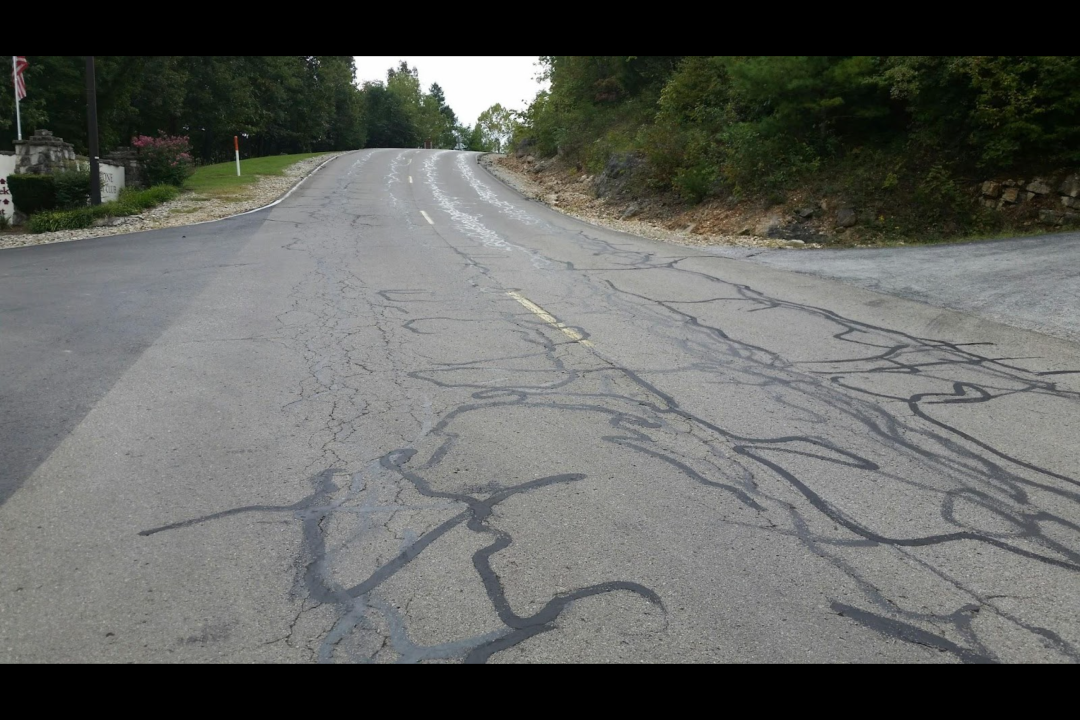
Reflective cracks are the bane of every pavement surface. They appear on the driving surface and can reduce the Pavement Condition Index (PCI) dramatically. There are many ways to treat these 3 dimensional devils but I want to talk about the BEST way.
What Causes Reflective Cracking?
But first, let's take a look at what causes these formidable fissures in the first place. Asphalt pavement is made up of a mix of gravel, sand, and bitumen (a type of black, sticky tar). This mixture is then compacted down to form a solid surface. But over time, that surface starts to break down due to traffic and thermal loading (meaning the expansion and contraction caused by changes in temperature).
These forces cause cracks to appear on the pavement surface, which can reduce the Pavement Condition Index (PCI) dramatically. If left unaddressed, these cracks can lead to even bigger problems like potholes or complete breakdown of the pavement.
Managing the Crack Beneath the Surface
PressurePave is arguably the best way to maintain streets with significant cracking. Just like other pavement surfaces, (chip seal, slurry, hot mix asphalt, etc.) reflective cracks will eventually appear BUT with PressurePave the ductile membrane underneath the thin driving surface keeps water from penetrating into the base layer.
PressurePave's patented surface design often keeps the size of the reflection to a meager hairline. The appearance of reflective cracks can be annoying, however they are not structural defects and do not require expensive repairs. The key to maintaining streets with significant cracking is to prevent water from entering the crack and damaging the pavement underneath.
How PressurePave Works
PressurePave is a two-part system using pressure-injection technology to apply a crack sealant over 100% of the surface, while at the same time, applying a patented thin asphalt wearing surface with life cycle of 10-12 years.
The sealant is more crack resistant compared to the driving surface and forms a water-resistant barrier over cracks. The injection process penetrates the crack, sealing it against water and preventing further deterioration.
PressurePave also bonds to the pavement around the crack, reinforcing the surrounding area and providing long-term stabilization.
Don't Write the Road Off Yet
If you have streets with significant cracking, don't whip out the checkbook just yet! While they may not be pretty, they can be easily dealt with.
PressurePave is the best way to insure money isn't wasted on methods that will just recrack and present you with the same problem you started with. PressurePave forms a water-resistant barrier over the entire street, penetrates cracks to seal it against water, and stabilizes the existing pavement with a durable driving surface.