Municipalities across the country face the challenge of maintaining and improving infrastructure while working within limited budgets. Even as major infrastructure funding increases, local governments still have to decide which roads receive rehabilitation today and which roads must wait.
The Infrastructure Funding Challenge
For years, cities and counties have been caught in a bind: infrastructure is aging, while the cost of maintaining it continues to rise.
According to the American Society of Civil Engineers (ASCE), the United States faces a cumulative infrastructure funding gap measured in the trillions of dollars.
For local governments, this means roads, bridges, and utilities require significant investment, while the funds available to address them remain limited.
Traditional road rehabilitation methods such as mill and asphalt overlay are effective, but they can also require significant material, labor, equipment, and project funding.
When budgets cannot keep pace with roadway deterioration, municipalities may be forced to defer repairs. Unfortunately, pavement does not stop deteriorating while it waits.
PressurePave®: Another Tool for Budget-Conscious Cities
PressurePave® is a pavement rehabilitation system designed for significantly distressed asphalt streets that still retain sufficient underlying structural integrity.
For appropriate candidate roads, PressurePave® can rehabilitate pavement that may otherwise be considered for a conventional mill-and-overlay project at approximately half the cost.
The system pressure-injects material into cracks, voids, and distressed areas, creates a stress-absorbing mastic layer, and finishes the roadway with the MAQS® driving surface during the same continuous operation.
See the Budget Impact
What If the Same Road Budget Could Go Twice as Far?
Road programs are often forced to choose which streets receive rehabilitation and which streets must wait. See how treatment selection can dramatically change the number of roadway miles an agency can address within the same capital program.
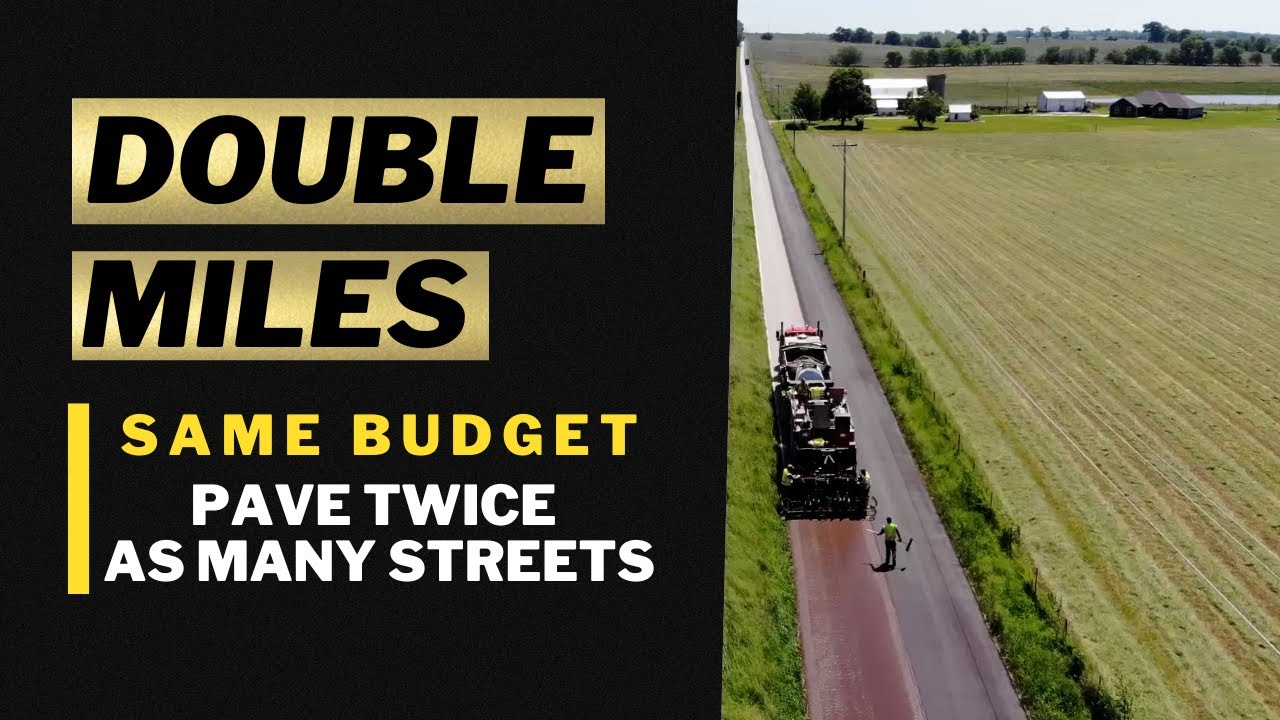
See how PressurePave® can help municipalities extend limited roadway budgets and address more streets within the same rehabilitation program.
More Miles Today Can Mean Fewer Deferred Streets Tomorrow
When rehabilitation dollars are limited, every project becomes a prioritization decision. Treating one roadway can mean postponing another.
PressurePave® gives municipalities another option between conventional pavement preservation and full mill-and-overlay rehabilitation.
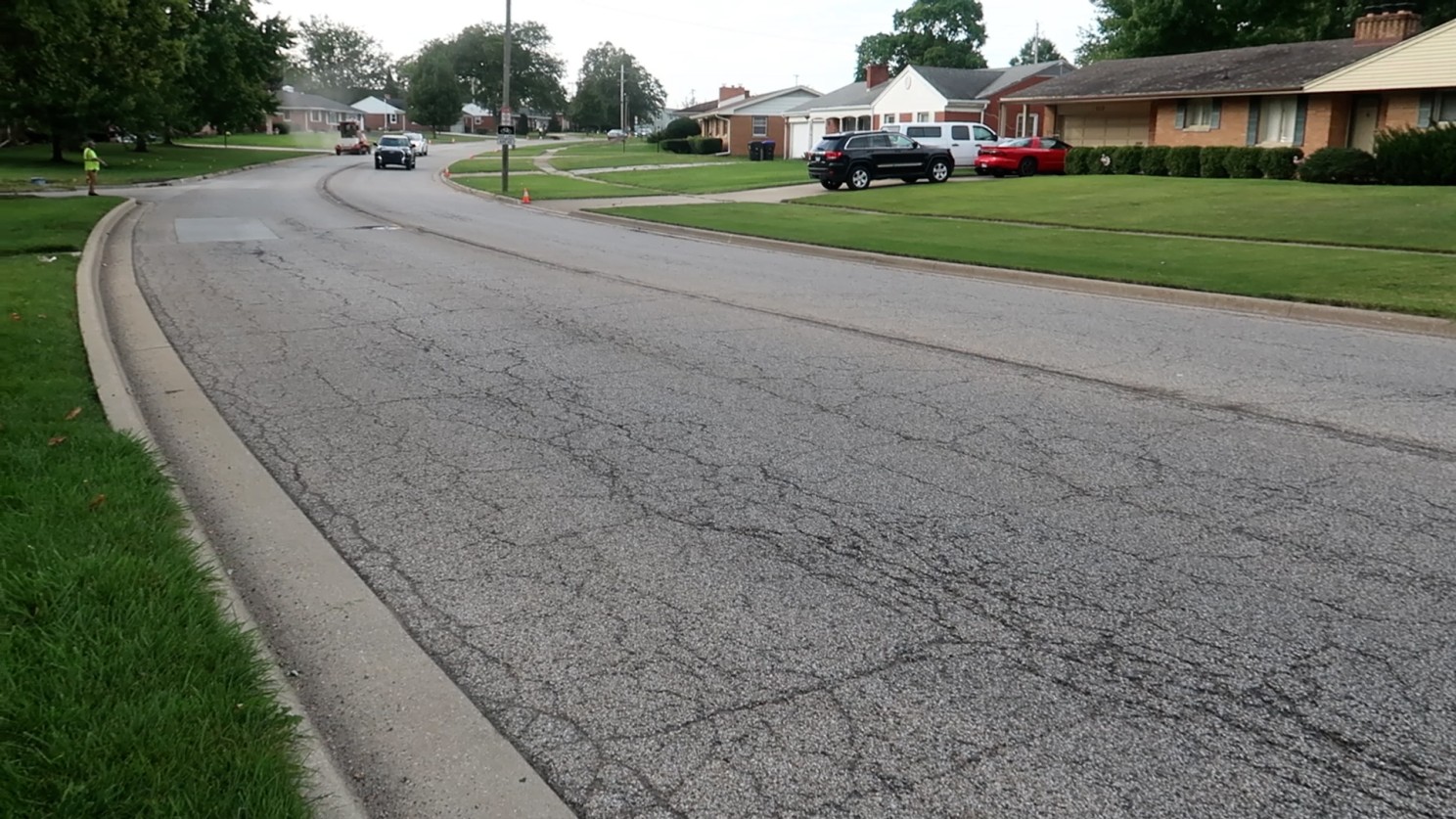
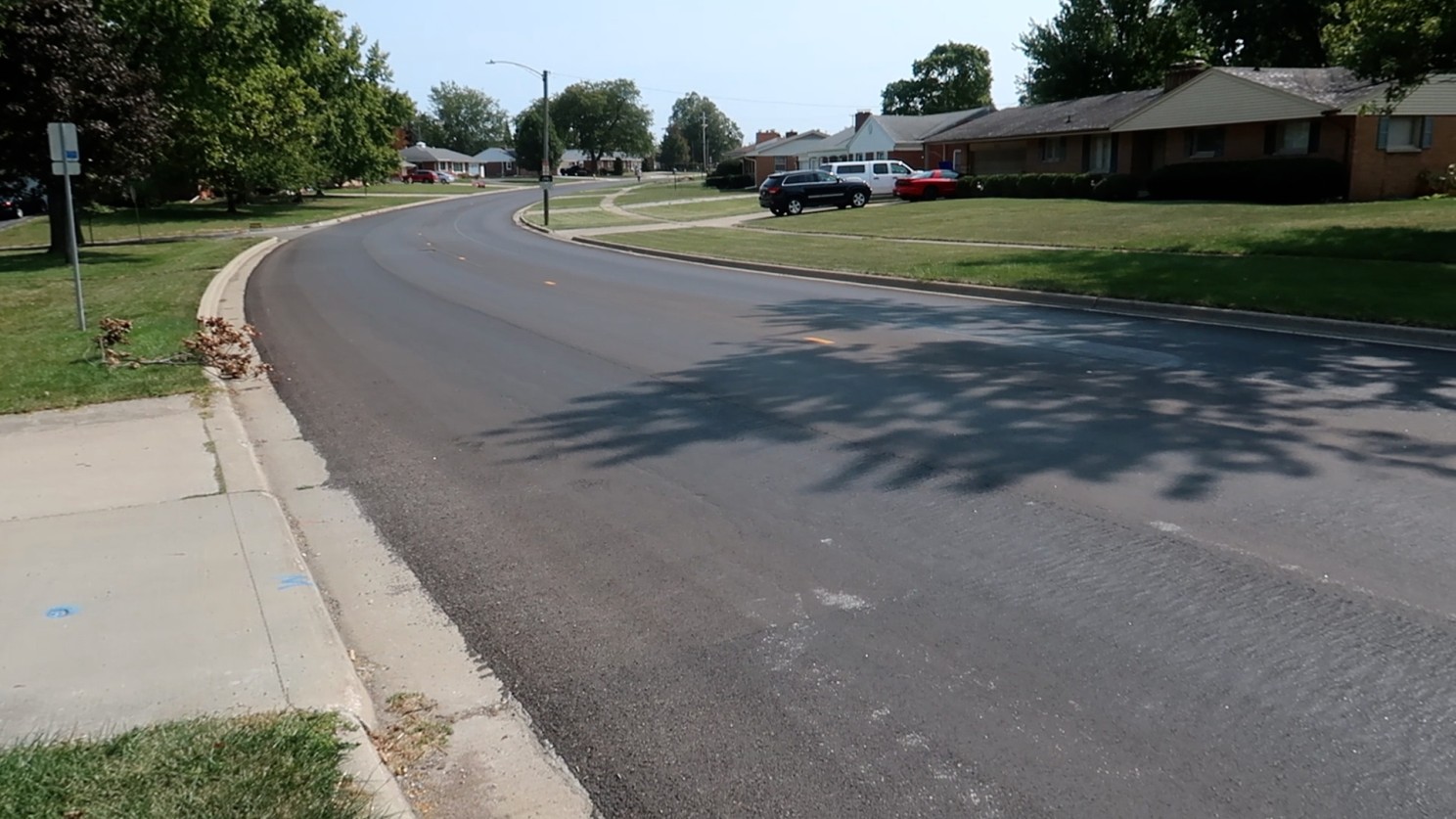
The Financial Impact: Saving Costs While Maximizing Efficiency
Traditional mill-and-overlay projects can consume a significant portion of an annual roadway budget, particularly as material, labor, and equipment costs increase.
PressurePave® provides another rehabilitation option for appropriate streets while reducing the amount of material removal and replacement required.
The system is also designed for a relatively fast return to traffic. Under normal project conditions, treated sections can typically begin returning to traffic in approximately 30 minutes.
Reducing project duration and roadway closures can help limit disruption to residents, commuters, and nearby businesses while allowing public works departments to move efficiently through their street programs.
Stretching Budgets for More Projects
By incorporating PressurePave® into a broader pavement management strategy, municipalities may be able to extend their rehabilitation budgets across substantially more roadway.
For example, a city with a fixed road-maintenance budget may only be able to resurface a portion of its network using conventional rehabilitation methods.
By identifying appropriate candidate streets for PressurePave®, that same city can potentially address a larger portion of the network while preserving more expensive reconstruction and mill-and-overlay work for streets that truly require it.
This allows municipalities to take a more proactive approach to roadway management rather than waiting for additional streets to deteriorate into more expensive rehabilitation categories.
A Sustainable Approach to Rehabilitation
In addition to financial considerations, PressurePave® can reduce the amount of raw material and energy required compared with rehabilitation strategies that remove and replace substantially more existing pavement.
Using fewer materials, reducing hauling requirements, and preserving more of the existing roadway can help agencies pursue pavement programs that balance performance, budget constraints, and sustainability goals.
Closing the Gap Requires More Than a Larger Budget
Infrastructure needs continue to grow, while roadway budgets remain finite. Municipalities cannot always solve the funding problem simply by waiting for more money.
Treatment selection becomes part of the solution.
PressurePave® provides municipalities with another rehabilitation tool—one that can address significantly distressed pavement, reduce project disruption, and potentially extend the reach of limited roadway funding.
By putting the right treatment on the right street, cities can preserve more of their roadway network today while reducing the number of streets that become tomorrow's more expensive problem.