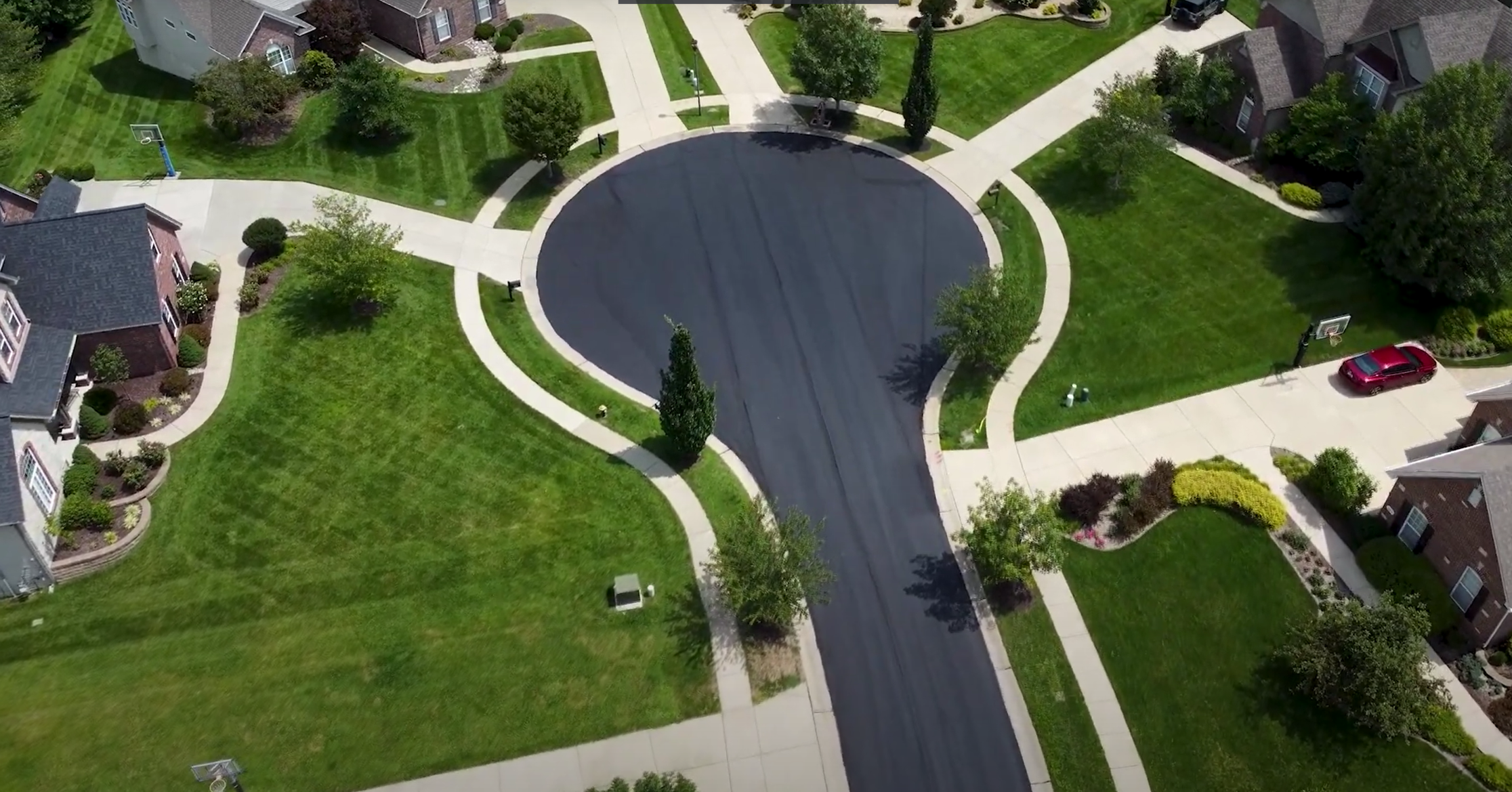
Cul-de-sacs are a staple of suburban neighborhoods, offering quieter streets and improved safety for residents. However, for public works departments and city engineers, maintaining the pavement in these circular roadways presents unique challenges.
Traditional pavement preservation methods like microsurfacing, slurry seal, chip seal, and fog seal often fail to provide lasting results in cul-de-sacs, leading to premature raveling and a need for frequent maintenance.
The primary culprit? Torsional twisting of tires—a stress that is particularly common in cul-de-sacs, causing surface deterioration at an accelerated rate. Fortunately, innovative solutions like PressurePave® have been developed specifically to withstand these unique stresses, offering longer-lasting pavement preservation.
The Problem: Torsional Twisting of Tires
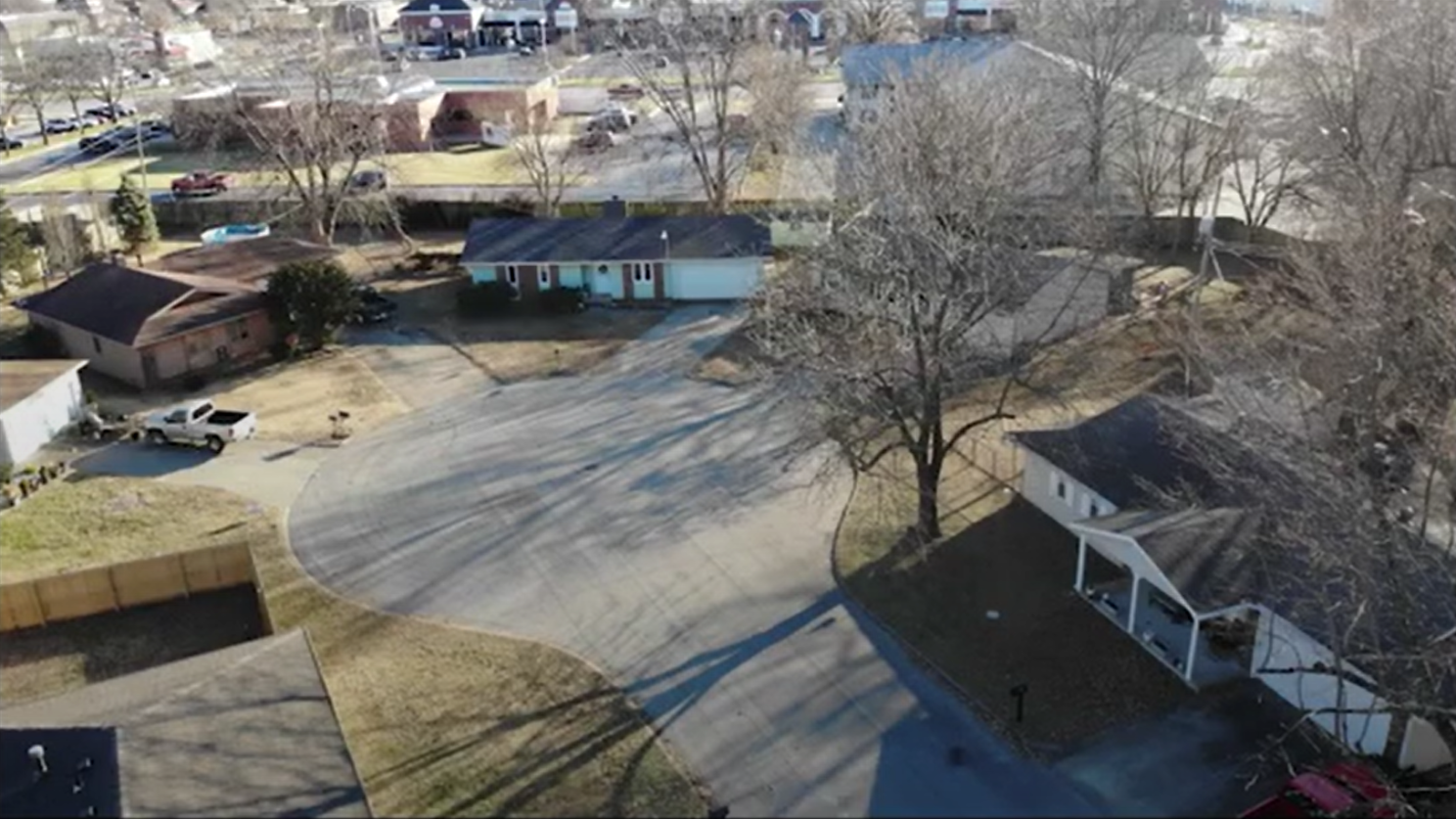
Cul-de-sacs, with their tight turning radii, are hotspots for torsional twisting—the twisting motion that occurs when a vehicle's tires turn while the vehicle is stationary or moving slowly.
Unlike straight stretches of road, cul-de-sacs force drivers to perform constant turning maneuvers, such as three-point turns, backing up, and sharp cornering. These repeated, low-speed turns generate high levels of stress on the pavement surface, especially near the tire contact points.
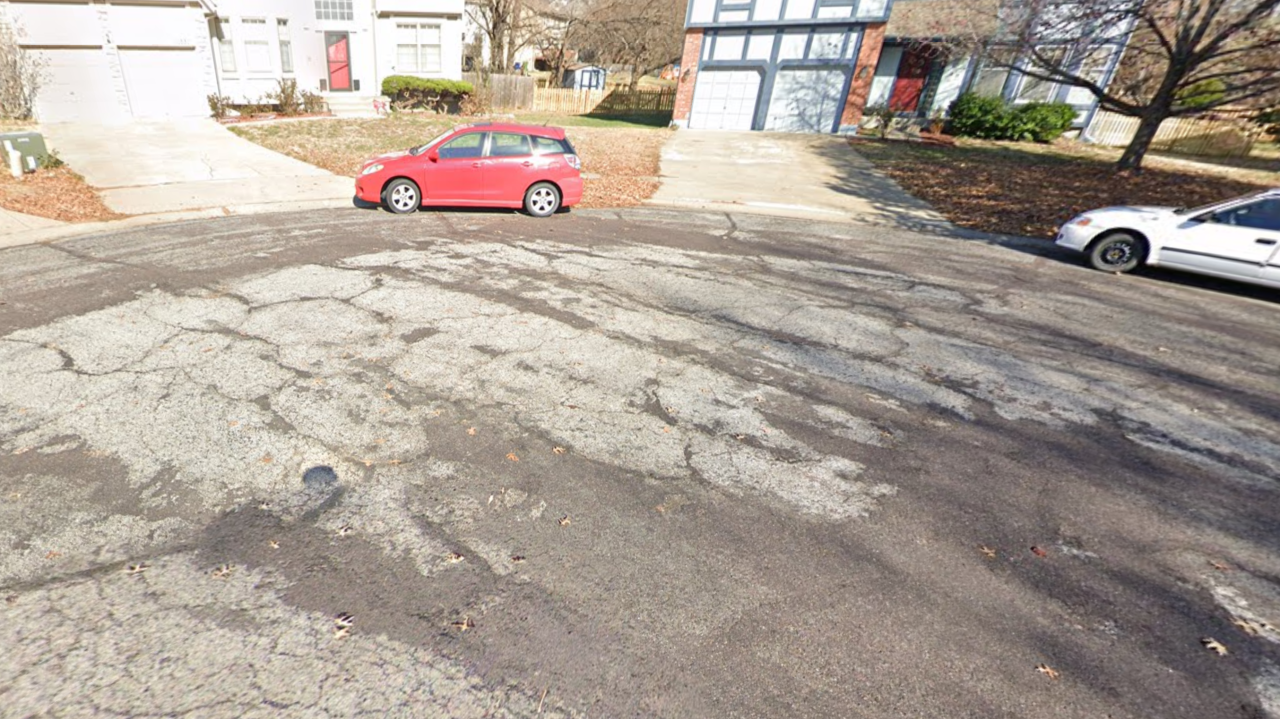
This torsional twisting leads to a common issue called raveling, where the top layer of the pavement breaks apart, causing loose aggregate to dislodge and scatter.
This degradation occurs much more quickly in cul-de-sacs than on regular roadways, where tires generally exert linear forces rather than the twisting stresses seen in residential circles.
Why Traditional Methods Fail in Cul-de-Sacs
Traditional pavement maintenance methods like microsurfacing, slurry seal, chip seal, and fog seal are commonly used to prolong the life of roadways, but they aren't designed to handle the extreme stresses cul-de-sacs endure.
Microsurfacing
This technique applies a thin, cold-mix asphalt emulsion that is effective for sealing and providing skid resistance. However, microsurfacing can be prone to cracking and raveling under the torsional stress of tire twisting, especially in the high-traffic, tight-turning environment of cul-de-sacs.
Slurry Seal
Similar to microsurfacing, slurry seal is applied as a mixture of asphalt emulsion, water, and fine aggregate. While slurry seal works well on straight sections of road, the twisting tire movements in cul-de-sacs can quickly cause the fine aggregate to wear away, leading to raveling and loss of surface integrity.
Chip Seal
Chip seal involves applying a layer of asphalt binder followed by aggregate chips. Though chip seal provides a protective surface, it is susceptible to rapid wear in areas with heavy tire torsion, as the aggregate can loosen and dislodge from the surface.
Fog Seal
A fog seal is a light application of diluted asphalt emulsion designed to rejuvenate oxidized pavement surfaces. While useful for restoring color to the road surface, fog seal provides little resistance to the intense twisting forces found in cul-de-sacs, resulting in premature surface deterioration.
The PressurePave® Solution: Designed for Durability in Cul-de-Sacs
Unlike traditional methods, PressurePave® is specifically designed to handle the unique stresses of cul-de-sacs.
PressurePave® is a pavement preservation system that injects a stress-absorbing mastic into existing cracks, followed by the application of a thin, highly durable driving surface.
Stress-Absorbing Mastic
PressurePave®'s mastic layer is designed to act as a glue to help the driving surface withstand the torsional forces generated by tire twisting. This prevents the surface from breaking apart and raveling, ensuring that the pavement remains intact for a much longer period.
Durable Surface Layer
In addition to the mastic layer, PressurePave® applies a thin, highly durable driving surface that is engineered to withstand constant tire stress.
This surface resists the wear and tear caused by low-speed, high-torque tire movements, making it ideal for cul-de-sacs.
Long-Lasting Results
PressurePave®'s technology extends the life of pavement well beyond what traditional methods can achieve, reducing the need for frequent maintenance and resurfacing.
Cul-de-sacs treated with PressurePave® can last up to 15 years, significantly cutting down on long-term maintenance costs.
Conclusion: PressurePave® Is the Cul-de-Sac Solution
Traditional pavement preservation methods like microsurfacing, slurry seal, chip seal, and fog seal may work well for straight, high-speed roadways, but they are not up to the task of handling the torsional stress of cul-de-sacs.
The constant twisting motion of tires in these circular roadways causes raveling and surface deterioration, leading to frequent maintenance needs.
PressurePave® offers a proven solution for cul-de-sacs by providing a durable, stress-absorbing surface that resists the twisting forces that wear down traditional pavement methods.
With PressurePave®, cities and municipalities can significantly extend the lifespan of cul-de-sacs, reduce maintenance costs, and provide safer, smoother streets for residents.
If your city is looking for a long-term solution to the challenges of cul-de-sac pavement preservation, PressurePave® is the answer.